Every induction season tells a story.
For some chapters, it is a story of legacy. For others, it is a story of growth, resilience, or transformation. Across Area 5, however, induction season reveals something much larger. It showcases the incredible diversity of Mindanao and highlights how leadership, culture, and community come together to create experiences that extend far beyond the ceremonial turnover of office.

Spanning Davao Region, Northern Mindanao, Caraga, Soccsksargen, and Western Mindanao, Area 5 is home to some of the country’s most vibrant communities and fastest-growing cities. It is a region where modern urban centers stand alongside agricultural heartlands, where mountain communities coexist with thriving ports, and where cultural traditions continue to flourish amid rapid development.

This diversity is reflected in the chapters that make up Area 5: JCI Kadayawan, JCI Greater Davao, JCI Panabo, JCI Duwaling, JCI Lakambini Davao, JCI Durian City, JCI Davao, JCI Davaoeña Daba-Daba, JCI Maragusan Pyagsawitan, JCI Buda Skyline, JCI Bunawan Highlands, JCI Chinatown Davao, JCI Mintal Shrines, JCI Paquibato Hinterlands, JCI Sasa Harbour, JCI Talomo Watershed, JCI Toril Southport, JCI Tugbok Farmlands, JCI Bai Lawanen, JCI Kagayhaan Gold, JCI Cagayan de Oro, JCI Surigao Nickel, JCI Surigao North, JCI Surigao Wensie, JCI Macajalar 24K, JCI Isulan Sultan, JCI Isla Rosa De Zamboanga, JCI Estrellas De Zamboanga, JCI Zamboanga Inc., JCI Jambangan, JCI Zamboanga La Bella, JCI Buhangin Uptown, JCI Dipolog, and JJC Davao. Together, these chapters represent one of the most geographically and culturally diverse areas in JCI Philippines.

No place embodies the energy of Area 5 quite like Davao. Home to chapters such as JCI Davao, JCI Greater Davao, JCI Kadayawan, JCI Lakambini Davao, JCI Durian City, JCI Davaoeña Daba-Daba, JCI Panabo, JCI Duwaling, JCI Buhangin Uptown, and JJC Davao, the city has long been recognized as one of the country’s strongest centers of leadership development. Complementing these are community-centered chapters such as JCI Chinatown Davao, JCI Mintal Shrines, JCI Paquibato Hinterlands, JCI Sasa Harbour, JCI Talomo Watershed, JCI Toril Southport, and JCI Tugbok Farmlands, each drawing inspiration from the districts and communities they proudly represent.

Davao’s identity is impossible to separate from its people and culture. Visitors attending inductions quickly discover a city that balances rapid progress with a deep appreciation for tradition. The influence of the Kadayawan Festival, a celebration of abundance and cultural diversity, can be felt throughout the city’s chapter events. Much like the festival itself, inductions in Davao often bring together people from different backgrounds, united by a common commitment to leadership and service.

The city’s culinary reputation adds another dimension to the experience. Guests are introduced to the region’s famous durian, pomelo, mangosteen, and marang. Fresh tuna, kinilaw, grilled seafood, and countless local specialties frequently become part of fellowship activities. For many delegates, the conversations shared over meals become just as memorable as the ceremonies themselves.

Beyond the city center, Area 5 extends into communities whose identities are shaped by mountains, farmlands, and indigenous heritage. Chapters such as JCI Maragusan Pyagsawitan, JCI Buda Skyline, JCI Bunawan Highlands, JCI Paquibato Hinterlands, JCI Talomo Watershed, and JCI Tugbok Farmlands represent areas where agriculture, environmental stewardship, and community traditions remain central to daily life. Their stories remind members that leadership is not measured by the size of a city or the height of a building. Rather, it is measured by the impact made within a community.

Traveling northward brings delegates to Cagayan de Oro, represented by JCI Cagayan de Oro, JCI Kagayhaan Gold, and JCI Macajalar 24K. Known as the City of Golden Friendship, Cagayan de Oro has built a reputation for hospitality that extends well beyond its borders. Visitors often remark on the warmth of the city’s people and the welcoming atmosphere that characterizes both its community and its chapters. The city’s thriving economy, adventurous spirit, and strong culture of fellowship make it a natural gathering place for leaders from across Mindanao.

Along the northeastern coast, the chapters of JCI Surigao Nickel, JCI Surigao North, and JCI Surigao Wensie proudly represent communities whose identities have long been tied to the sea. Surigao’s stunning coastlines, islands, and marine resources have shaped generations of residents, fostering resilience and adaptability. These same qualities are reflected in the chapter members who continue to serve their communities and develop future leaders. Their inductions often celebrate not only new administrations but also the enduring strength of the communities they represent.

Further south, JCI Isulan Sultan showcases the cultural richness of Sultan Kudarat. Located in a province known for its agricultural productivity and cultural diversity, the chapter reflects a community where multiple traditions and influences converge. The result is an identity that values both heritage and progress, creating a unique perspective on leadership and service.

In Western Mindanao, the chapters of JCI Isla Rosa De Zamboanga, JCI Estrellas De Zamboanga, JCI Zamboanga Inc., JCI Jambangan, and JCI Zamboanga La Bella proudly represent one of the most culturally distinctive cities in the country. Zamboanga’s identity is immediately recognizable through its Chavacano language, vibrant traditions, colorful vintas, and rich historical heritage. Visitors attending inductions in the city are often introduced to local delicacies such as Curacha, Satti, and Knickerbocker, each reflecting the unique blend of influences that has shaped Zamboanga through the centuries. More importantly, they encounter a community whose pride in its heritage is matched only by its generosity toward guests.

Representing the Zamboanga Peninsula is JCI Dipolog, a chapter that reflects the steady growth and quiet confidence of the Orchid City. While smaller than some of the region’s major urban centers, Dipolog possesses a charm all its own. Its scenic coastline, relaxed atmosphere, and strong sense of community create an environment where leadership and service continue to thrive.

What becomes apparent after attending inductions throughout Area 5 is that no two chapters are exactly alike. Each carries its own traditions, priorities, and personality. Some showcase bustling urban centers. Others highlight agricultural communities, cultural heritage, coastal living, or environmental stewardship. Yet despite these differences, a common thread connects them all.

The most memorable inductions are rarely defined by the size of the ballroom or the elegance of the stage. They are remembered because of the people behind them.
They are remembered because of the members who spend months preparing for a single evening. They are remembered because of the officers who dedicate themselves to serving their chapters. They are remembered because of the senior members who continue to mentor future leaders. And they are remembered because of the hosts who welcome every visitor with sincerity and warmth.

This is what makes Area 5 unique.
Its mountains, coastlines, festivals, and cuisine provide the backdrop. Its cities and communities provide the setting. But its people provide the heart.

As another induction season comes to a close, Area 5 once again demonstrates why it remains one of the most dynamic and influential regions in JCI Philippines. Its chapters may differ in geography, culture, and tradition, but they remain united by a shared commitment to developing leaders, creating positive change, and strengthening communities.
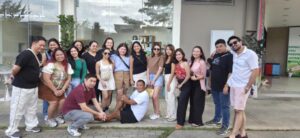
That commitment is visible in every induction ceremony, every fellowship activity, every community project, and every friendship formed along the way.
It is a reminder that while leadership may begin within a chapter, its impact reaches far beyond organizational boundaries.

And it is that spirit of leadership, service, and fellowship that continues to define Area 5.
SEO by SEO-Hacker. Optimized and maintained by Sigil
© 2026 Asian Pearl. JCI Manila Official Publication. All Rights Reserved.