At JCI Manila’s “Constructing the Future” General Membership Meeting, one of the country’s leading architects challenged the construction and property sectors to look beyond the old engines of growth and identify where the Philippines’ next wave of real demand may come from.
The Philippine property market is not simply slowing down. It is changing.
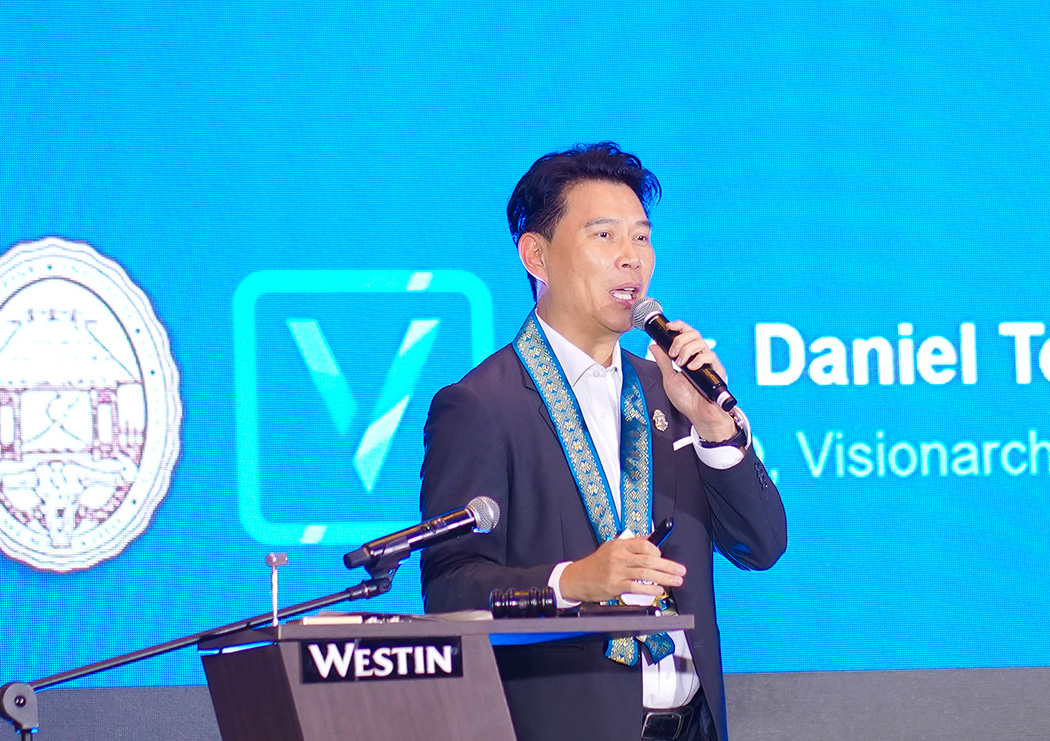
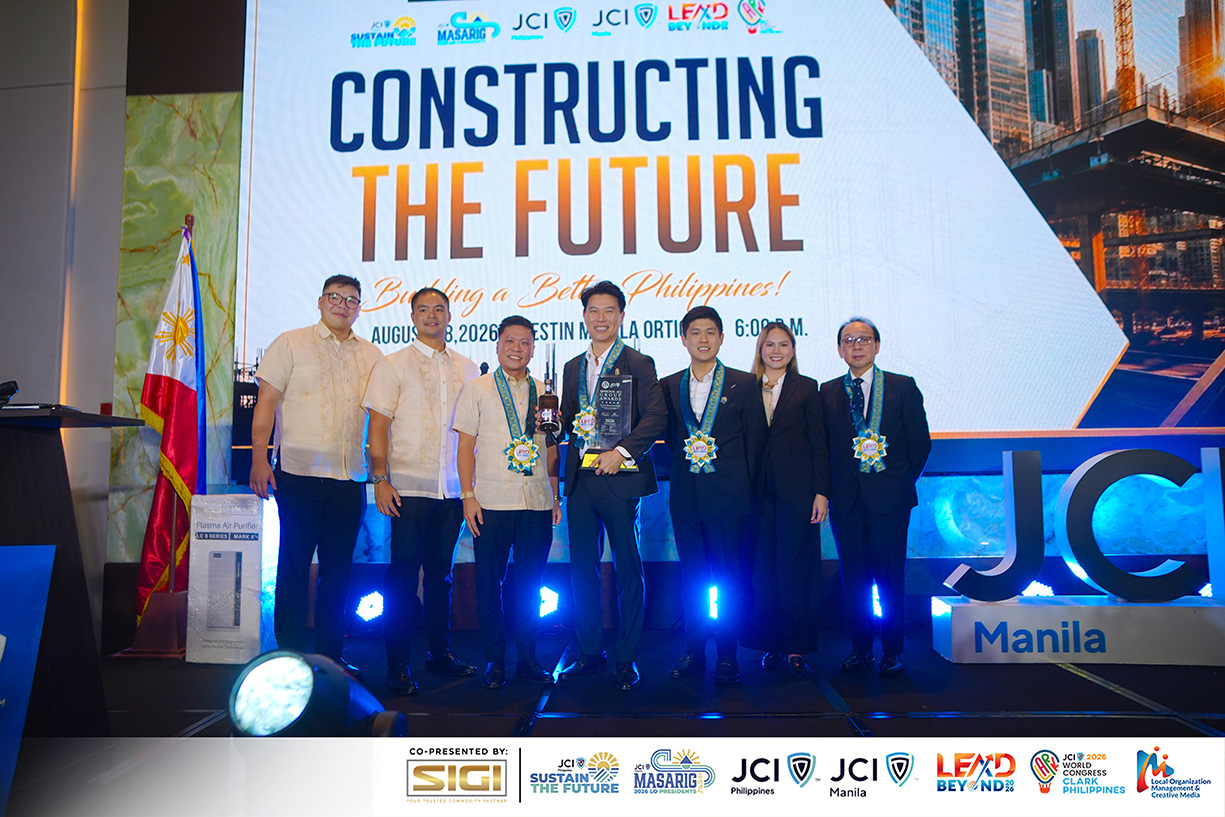
That was the central message of Ar. Daniel Terence Yu, CEO of Visionarch Inc., during his keynote presentation, “Beyond the Boom: The Next Chapter of Philippine Real Estate,” at JCI Manila’s General Membership Meeting, “Constructing the Future,” held last August 18 at The Westin Manila.
The gathering brought together members of JCI Manila and leaders from the country’s construction sector, including representatives of Invictus, described as the country’s largest construction supplier organization, with more than 18 member companies composed of industry leaders. The organizing committee was chaired by Matthew Siychia.
Ar. Yu brought to the discussion the perspective of a practitioner whose firm has become increasingly visible beyond the Philippine market. Visionarch is included among the World Architecture Top 100, ranking 51st in the presentation’s 2026 listing, while maintaining a place among BCI Asia’s Top 10 Architects in the Philippines for more than a decade.
But rather than present a portfolio of projects, Ar. Yu used the evening to ask a much bigger question: What will drive the next chapter of Philippine real estate?
A strong economy, but a different property market
Ar. Yu began with an apparent contradiction.
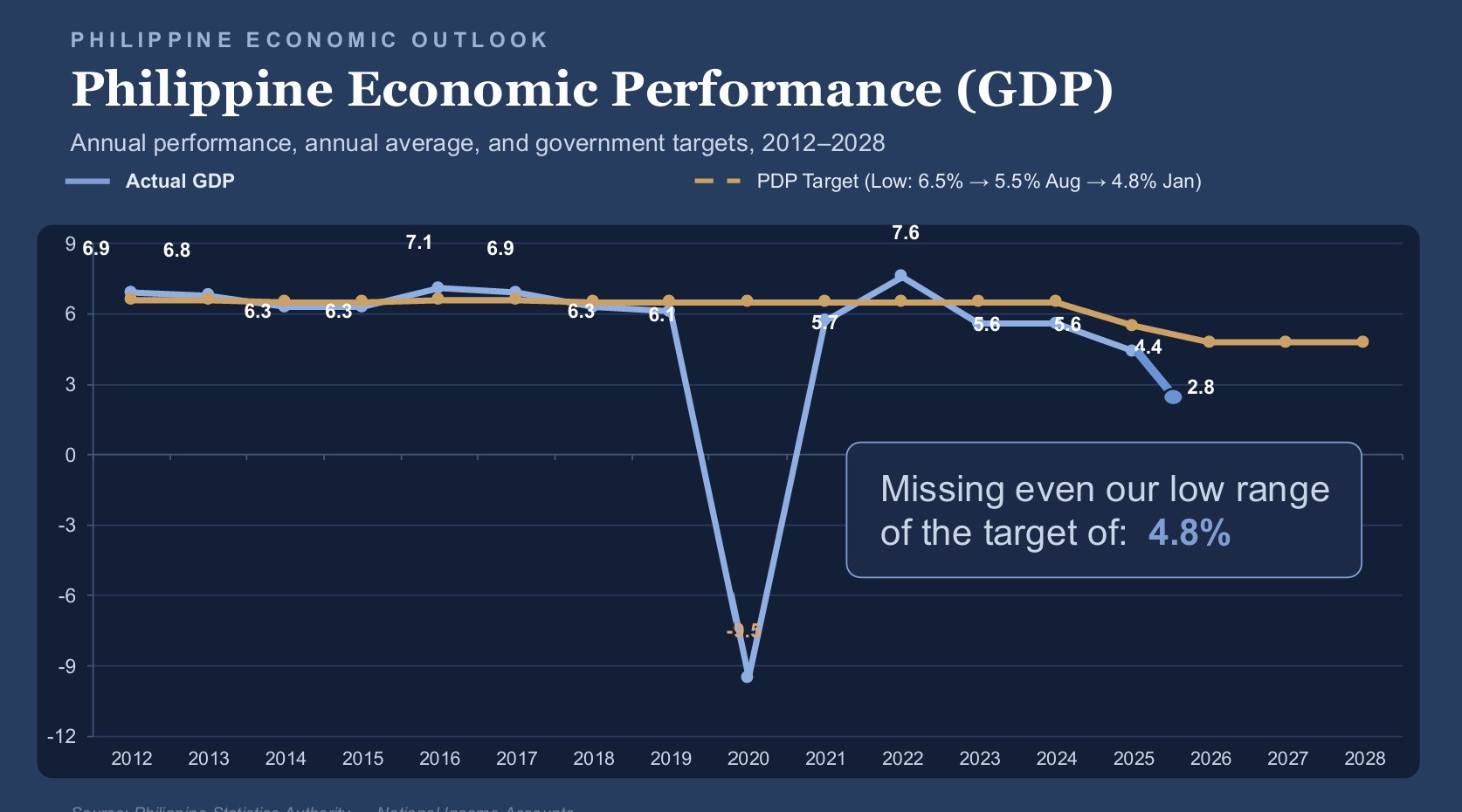
For years, the Philippines had been regarded as one of Southeast Asia’s stronger growth stories. His presentation showed that from 2012 to 2019, annual GDP growth averaged approximately 6.6 percent. Yet the more recent economic picture has become less predictable, with the presentation pointing to growth falling below government expectations and even missing a lowered target range.
The implication for the property sector is important: a growing economy does not automatically translate into another broad-based real estate boom.
To explain why, Ar. Yu identified four major shocks that have reshaped the environment in which developers, investors, and construction companies now operate.
The first was the COVID-19 pandemic and the prolonged quarantine period, beginning with Metro Manila’s community quarantine in March 2020. Beyond the immediate health crisis, the prolonged restrictions disrupted the country’s growth trajectory and destroyed or delayed capital formation.
The second was the end of the POGO era. Offshore gaming had once acted as an unusually powerful demand generator for offices, condominiums, and rental housing. Ar. Yu’s timeline marked the passage of legislation prohibiting Philippine offshore gaming operations in June 2025 as the effective closing of that chapter.
Third was the fallout from infrastructure controversies and so-called ghost projects, particularly problems surrounding flood-control spending. The presentation highlighted poor construction, corruption allegations, and non-existent or defective projects as forces that weakened confidence in infrastructure investment. It also noted the subsequent move by President Ferdinand Marcos Jr. to impose additional budget safeguards on infrastructure spending.
The fourth shock was geopolitical uncertainty, particularly instability in the Middle East and its implications for energy. The presentation cited the Philippines’ declaration of a national energy emergency amid supply disruptions connected with the conflict, illustrating how events thousands of kilometers away can directly influence construction costs, inflation, and investor confidence at home.
Ar. Yu summarized the consequences of these shocks in four stark phrases:
Quarantine: lost capital.
POGO exit: lost market catalyst.
Ghost infrastructure: lost trust.
Geopolitics: lost predictability.
These losses, taken together, help explain why simply waiting for the previous property cycle to return may be the wrong approach.
From anticipated demand to immediate demand
For Ar. Yu, the strategic shift is from investment-driven or anticipated demand to immediate, real, and unmet demand.
Instead of building mainly on the assumption that investors will eventually buy, rent, or speculate on future appreciation, developers increasingly have to identify where people and businesses already have practical needs.
That distinction becomes more significant when one considers the structure of the Philippine economy. Ar. Yu noted that household consumption accounted for 72.6 percent of Philippine GDP in 2025, making Filipino consumers the single biggest driver of economic activity.
In other words, the next opportunities may not necessarily resemble the condominium and office booms of previous decades.
Ar. Yu identified several areas where demand may remain structurally strong.
Retail is changing, not disappearing
The first is malls and retail development.
The message was not that the traditional mall model would simply continue unchanged, but that retail must respond to actual consumer behavior and immediate demand.
Ar. Yu’s presentation showcased a range of contemporary retail and mixed-use environments, from conventional malls to more open, experiential, and lifestyle-oriented developments. These examples illustrated how successful retail increasingly integrates dining, leisure, public spaces, landscaping, and community activity rather than relying solely on enclosed shopping floors.
The larger argument is that with household consumption still dominating economic output, physical retail continues to have a role. However, the spaces that succeed will be those that respond to how Filipinos now live, socialize, and spend.
Retirement as a new real estate demand base
A second major opportunity identified by Ar. Yu is the Philippines’ potential as a retirement destination.
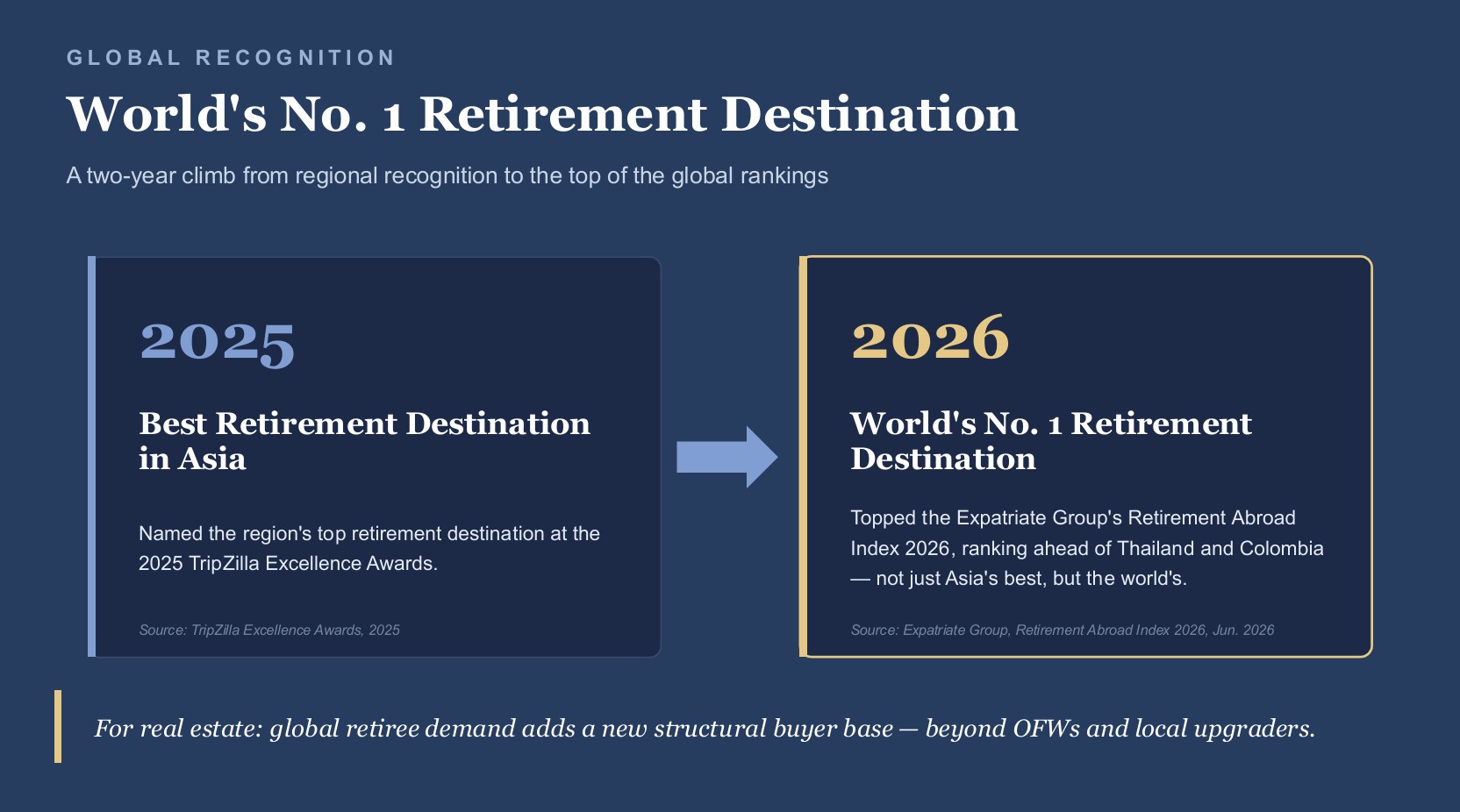
His presentation pointed to the country being named Best Retirement Destination in Asia in the 2025 TripZilla Excellence Awards and subsequently taking the top position in the Expatriate Group’s Retirement Abroad Index 2026, ahead of Thailand and Colombia.
For real estate, this creates a potentially significant new buyer segment.
Traditionally, Philippine residential demand has often been associated with local upgraders and overseas Filipino workers. A growing international retiree market could broaden that base, particularly for resort developments, retirement communities, healthcare-linked residential projects, and properties in destinations outside Metro Manila.
As Ar. Yu’s presentation put it, global retiree demand represents a new structural buyer base beyond OFWs and local upgraders.
Transport-oriented development becomes increasingly necessary
The third area is transport-oriented development.
This is not merely a design trend. In Metro Manila, it is increasingly a response to congestion.
Ar. Yu cited figures showing that the average motorist lost approximately 143 hours to rush-hour traffic annually, equivalent to almost six full days. The average travel time for a 10-kilometer trip was around 28 minutes and two seconds, while average rush-hour speed had fallen to only 15.2 kilometers per hour.
One of the more revealing points in the presentation was the apparent contradiction in Metro Manila’s global congestion ranking.
The metropolis technically improved from the 27th to the 40th most congested city-area worldwide, but Ar. Yu emphasized that this did not mean traffic itself had improved. Instead, other cities deteriorated more quickly. Locally, the number of hours lost, average travel time, and road speed all worsened.
This makes projects that combine transport, commercial areas, offices, housing, and other services increasingly attractive.
Rather than requiring people to repeatedly cross the metropolis for work, shopping, and daily necessities, transport-oriented developments can concentrate activity around major mobility nodes.
The opportunity, therefore, is not simply to build beside transport infrastructure, but to redesign communities around access to it.
Office demand is recovering, but its geography and tenants are changing
Ar. Yu also pushed back against the idea that office real estate is uniformly in decline.
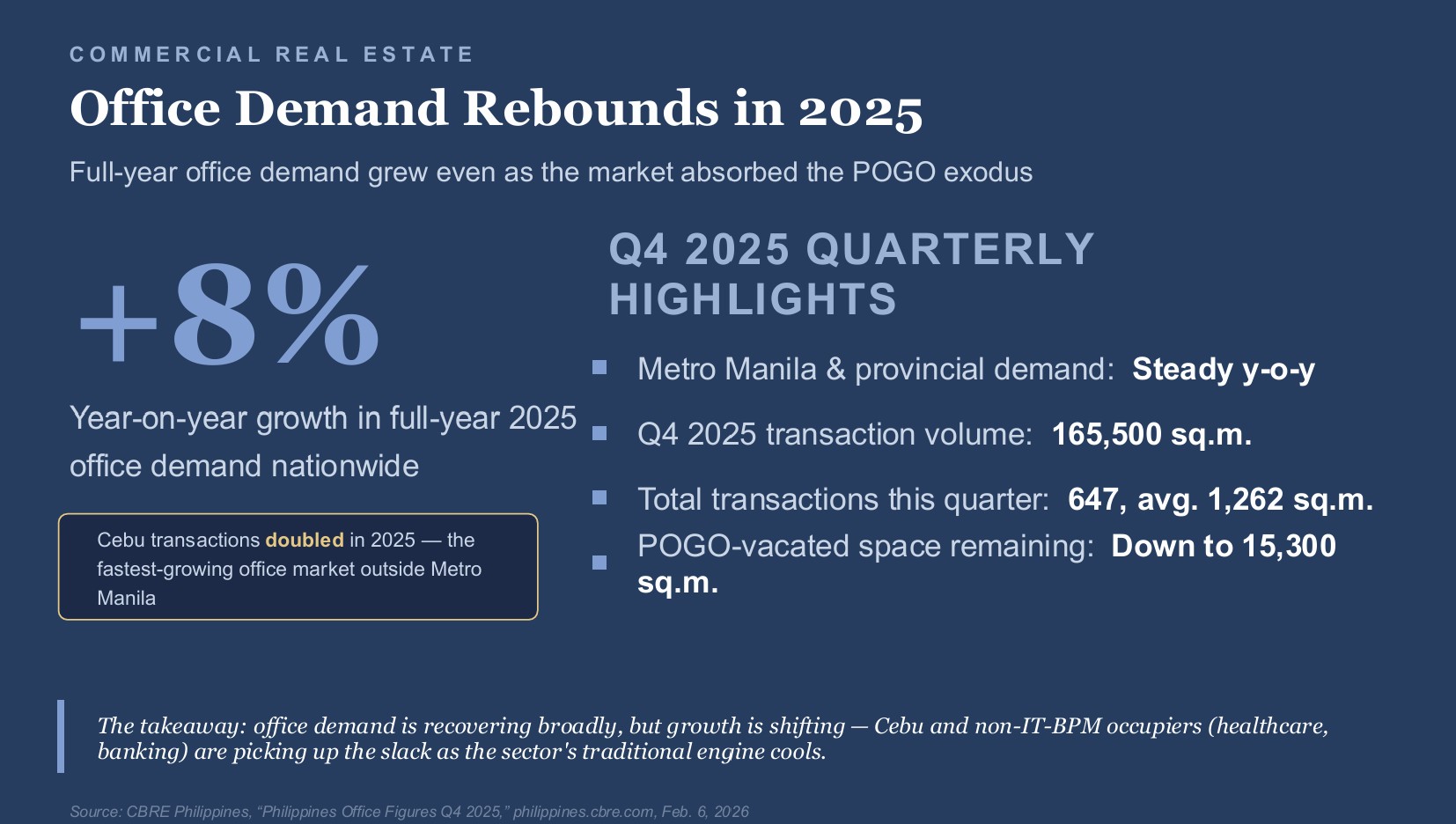
His presentation showed that full-year office demand increased by 8 percent nationwide in 2025, despite the market continuing to absorb the departure of POGO tenants. Cebu, in particular, emerged as a major growth area, with transactions doubling during the year.
For the fourth quarter of 2025, the presentation cited approximately 165,500 square meters of transaction volume, while remaining POGO-vacated space had fallen to about 15,300 square meters.
More important than the headline numbers was the composition of demand.
Ar. Yu noted that growth is spreading outside the market’s traditional engines. Healthcare, banking, and other non-IT-BPM occupiers are increasingly contributing to office absorption, while provincial markets, especially Cebu, are becoming more important.
The lesson for developers is that office demand has not vanished. It has become more selective.
Location, accessibility, surrounding amenities, and proximity to genuine employment centers will increasingly determine which office developments succeed.
MICE tourism as a property and construction opportunity
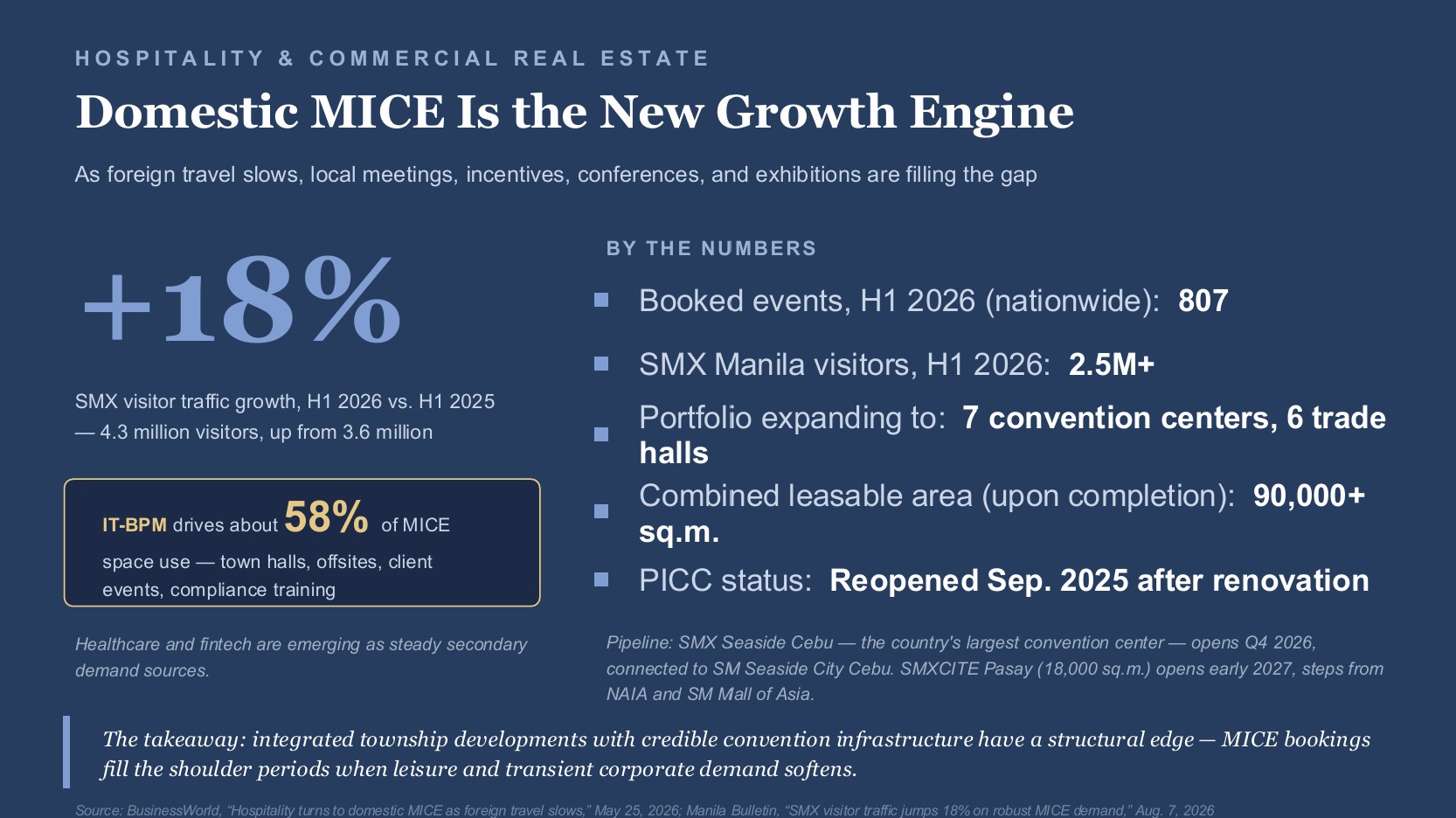
Closely linked to strategic office locations is another growing sector: MICE, or meetings, incentives, conferences, and exhibitions.
Ar. Yu’s presentation described domestic MICE activity as an emerging growth engine for hospitality and commercial real estate, especially as slower foreign travel has increased the importance of local corporate and institutional events.
The presentation cited 18 percent growth in SMX visitor traffic during the first half of 2026, reaching approximately 4.3 million visitors compared with 3.6 million during the same period in 2025.
IT-BPM companies alone were said to account for roughly 58 percent of MICE space utilization, through activities such as town halls, company off-sites, client events, and compliance training. Healthcare and fintech were also identified as increasingly consistent sources of demand.
The scale of the market is considerable.
Ar. Yu cited 807 booked events nationwide during the first half of 2026, more than 2.5 million visitors at SMX Manila, and an expansion pipeline that would eventually bring the network to seven convention centers and six trade halls, with more than 90,000 square meters of combined leasable area.
The presentation also highlighted the reopening of the Philippine International Convention Center in September 2025, the expected opening of SMX Seaside Cebu in the fourth quarter of 2026, and SMXCITE Pasay, an approximately 18,000-square-meter venue scheduled for early 2027 near NAIA and the Mall of Asia complex.
For integrated developments, convention infrastructure can therefore become more than an events amenity.
It can generate recurring demand for hotels, restaurants, transportation, offices, and retail, particularly during periods when conventional leisure or transient corporate travel is weaker.
The biggest opportunities may also be the country’s biggest deficits
Perhaps the clearest example of Ar. Yu’s argument about needs-based demand came from education and housing.
The Philippines still faces an enormous classroom shortage.
Ar. Yu cited a 143,543-classroom nationwide backlog as of June 2026, although this was already an improvement from approximately 165,000 at the beginning of the year.
The response outlined in the presentation includes approximately 25,000 new classrooms under the 2026 budget, around 30,000 classrooms through conventional procurement through 2028, and another 16,000 classrooms under the proposed third phase of the Public-Private Partnership School Infrastructure Project.
The 2026 budget for basic education facilities was placed at around ₱84 billion to ₱85 billion, while the PPP component alone was estimated to support more than 57,000 jobs.
Housing represents an even larger challenge.
The presentation cited an official Department of Human Settlements and Urban Development backlog of approximately 2.2 million housing units, based on a 2022 estimate. Broader estimates, however, place the actual need at around 6.5 million units, potentially rising toward 10 million by 2028.
Under the revised administrative target for the 4PH housing program, the government aims for approximately 1.133 million units, with around 90,000 units targeted for 2026. More than 400,000 housing interventions had been delivered by the end of 2025, according to the figures cited in Ar. Yu’s presentation.
His point was straightforward: these are not theoretical markets.
They are years of deferred demand.
The question is not whether the country needs schools or housing. It unquestionably does. The harder question is whether financing, capital, policy, and investor confidence can align sufficiently to convert that need into actual construction activity.

The Philippines is still growing, but the market has changed
After moving through the major sectors, Ar. Yu returned to the broader picture.
His conclusion was not pessimistic.
The Philippine economy continues to grow, and its underlying fundamentals remain intact despite the succession of shocks discussed throughout the presentation.
Real demand also continues to exist across multiple sectors. Ar. Yu specifically pointed to retail, institutional, and office developments as areas where genuine, broad-based demand remains visible.
But the nature of that demand has changed.
The property market is moving away from speculative or anticipated demand toward needs-based demand.
That distinction may determine the next generation of successful projects.
A developer can no longer assume that simply constructing inventory will automatically attract investors. Increasingly, projects must solve an existing problem, whether transportation, housing, education, retirement living, commerce, corporate activity, or access to services.
Yet Ar. Yu added an equally important warning:
Need by itself does not create a boom.
A country can have millions of people who need homes, classrooms, and infrastructure, but without the purchasing power, financing, and investment engine necessary to turn those needs into transactions, the market will not experience a broad property expansion.
Every property boom needs a growth engine
This led to the central question of Ar. Yu’s presentation.
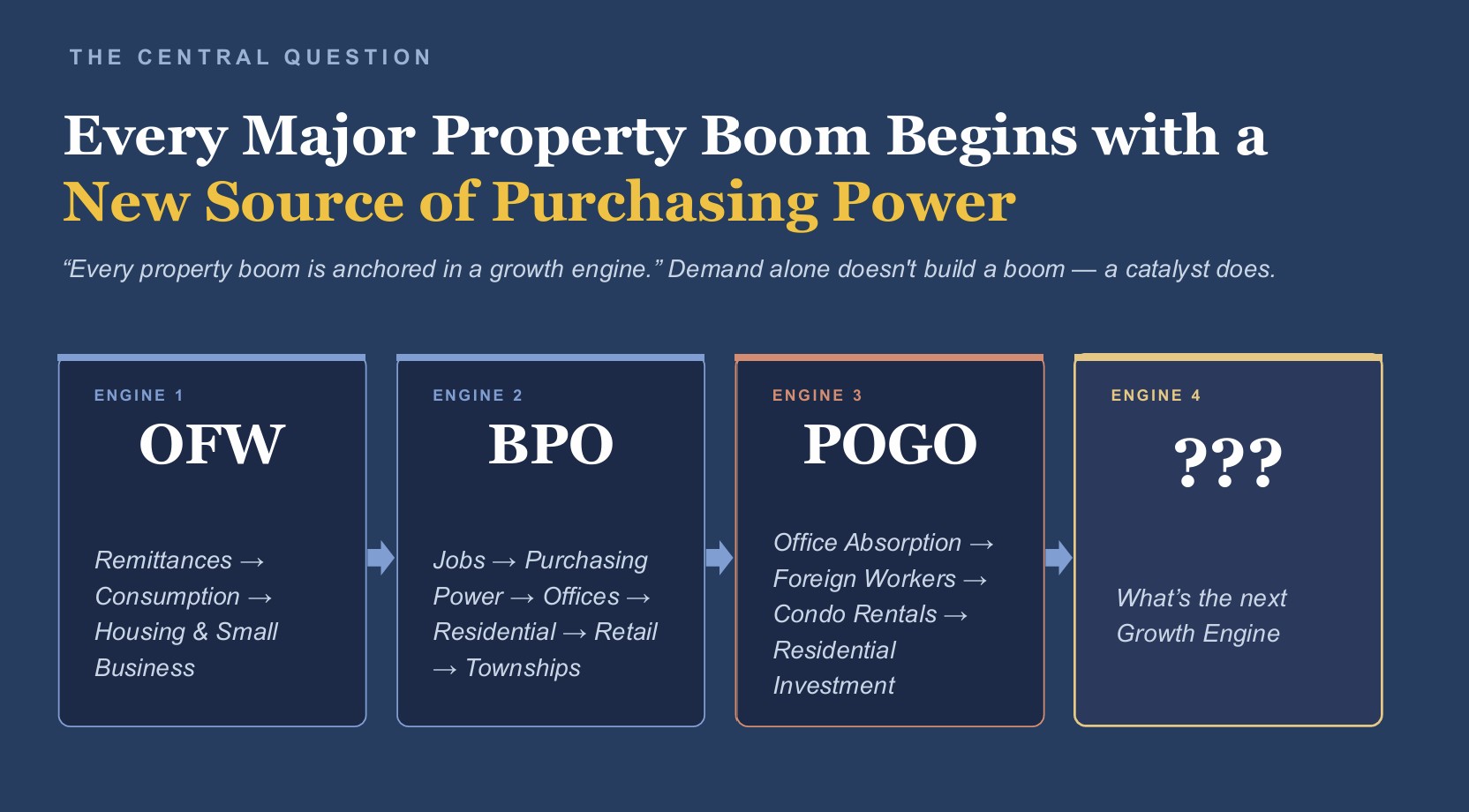
Historically, major Philippine real estate cycles were supported by identifiable economic engines.
The first was the OFW economy.
Remittances increased household consumption, which supported housing purchases, small businesses, and local commercial activity.
Then came the BPO industry.
BPO created large numbers of relatively well-paying urban jobs. Those jobs generated purchasing power. Purchasing power generated demand for offices, condominiums, retail centers, and eventually entire townships built around employment districts.
Later came POGOs.
Offshore gaming companies rapidly absorbed office space. Their foreign employees created additional condominium rental demand, which in turn attracted residential investors.
Each boom had a mechanism.
Each had a source of new purchasing power.
Ar. Yu therefore asked what may be the most consequential question confronting today’s property and construction sectors:
What is Engine No. 4?
What is the next economic force capable of producing jobs, incomes, investment, and sustained demand on a scale large enough to trigger another major property cycle?
Could Pax Silica become the next catalyst?
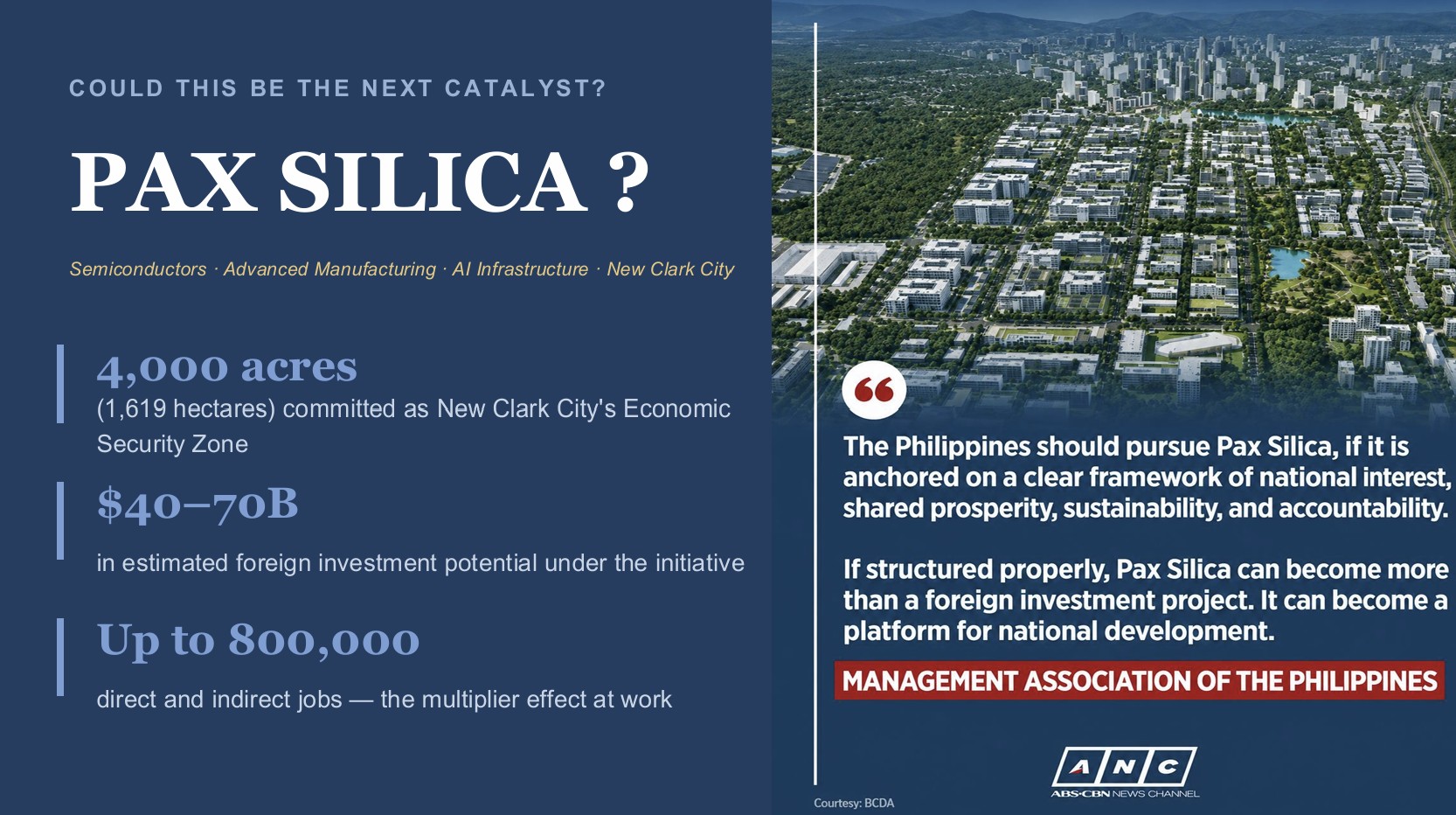
Ar. Yu ended by raising one possibility: Pax Silica.
The presentation connected the initiative with semiconductors, advanced manufacturing, artificial intelligence infrastructure, and New Clark City, positioning it as a possible foundation for an entirely different type of Philippine growth engine.
The potential scale presented was significant.
Approximately 4,000 acres, or 1,619 hectares, in New Clark City were identified in the presentation as committed to an Economic Security Zone. The initiative was associated with an estimated US$40 billion to US$70 billion in potential foreign investment and as many as 800,000 direct and indirect jobs through its broader multiplier effects.
A slide in Ar. Yu’s presentation also highlighted the position that the Philippines should pursue the opportunity within a clear framework of national interest, shared prosperity, sustainability, and accountability. If properly structured, Pax Silica could become not merely a foreign investment initiative, but a wider platform for national development.
The significance for real estate is obvious.
A large new advanced-manufacturing and technology ecosystem would not only require factories and data infrastructure. It could also generate demand for employee housing, offices, schools, retail centers, logistics facilities, hotels, transportation networks, healthcare facilities, and entire new communities.
That is precisely how a growth engine becomes a property engine.
But Ar. Yu stopped short of declaring Pax Silica the definitive answer.
Instead, his final message was deliberately forward-looking:
“The next catalyst may not look like the last one.”
The opportunity, Ar. Yu argued, lies in recognizing that next growth engine before everyone else does.
Constructing the future means understanding what will drive it
For a room filled with JCI Manila members, construction executives, suppliers, and industry leaders, Ar. Yu’s presentation offered more than a market forecast.
It was a framework for thinking about development itself.
The Philippine real estate industry still has enormous demand in front of it, from classrooms and affordable housing to transport-oriented communities, offices, tourism infrastructure, retirement developments, and new retail formats.
But demand and opportunity are no longer synonymous with speculation.
The next winners in Philippine construction and real estate may be those who can distinguish between inventory that merely expects a buyer and infrastructure that answers an immediate economic or social need.
Beyond those individual opportunities lies an even larger challenge: identifying the next source of purchasing power capable of supporting another national development cycle.
For an organization gathered under the theme “Constructing the Future,” Ar. Yu’s message was particularly fitting.
The future of construction will not be determined only by what the country can build.
It will be determined by understanding why it needs to be built, who will use it, and what new economic engine will ultimately give Filipinos the purchasing power to sustain it.
SEO by SEO-Hacker. Optimized and maintained by Sigil
© 2026 Asian Pearl. JCI Manila Official Publication. All Rights Reserved.