LIGAO CITY, ALBAY — More than 30 volunteers from civic organizations, government agencies, and local communities gathered at the Ligao Fish Sanctuary in Sitio Tambac, Maonon, Ligao City on May 24, 2026, for ROOTED: Mangroves for Tomorrow, an environmental sustainability initiative led by JCI Legazpi Dawani.
The project, chaired by Baby Jaycee Danica Baloso with D-Treasurer Sheryl serving as Co-Chairman, combined a beach clean-up, marine sanctuary immersion, environmental awareness activities, and mangrove planting to promote coastal conservation and climate resilience.
Implemented under JCI Legazpi Dawani’s Community Development and Environmental Sustainability programs, the initiative was conducted in partnership with the City Government of Ligao, Albay, OCENR Ligao, and Project Mountain Adventures.
The activity was developed in response to environmental challenges facing coastal communities in Albay, one of the Philippines’ most typhoon-prone provinces. Frequent exposure to tropical cyclones, storm surges, flooding, and coastal erosion has underscored the importance of preserving natural ecosystems that help protect vulnerable communities.
Central to the project was the conservation of mangrove forests, which serve as natural barriers against coastal hazards. Mangroves reduce wave energy during storms, stabilize shorelines, and provide breeding grounds for fish and other marine species that support local livelihoods.
According to organizers, the initiative sought to address concerns including the decline of mangrove ecosystems, marine pollution, environmental degradation, and limited public participation in conservation efforts.
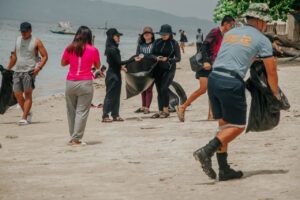
Activities began with a beach clean-up along the coastal areas surrounding the Ligao Fish Sanctuary. Volunteers collected waste materials and debris found along the shoreline, highlighting the continuing challenge of marine pollution in coastal communities.
The clean-up was followed by a snorkeling and marine sanctuary immersion activity that allowed participants to observe the area’s coastal ecosystem firsthand. Volunteers explored sections of the sanctuary and were introduced to the ecological importance of marine habitats and their relationship to mangrove forests.
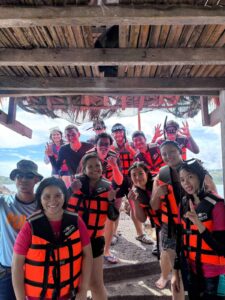
Organizers said the immersion component was designed to provide participants with a practical understanding of biodiversity conservation and the interconnected nature of coastal ecosystems. By observing marine life and habitat conditions directly, volunteers gained greater appreciation for the role of conservation efforts in sustaining fisheries, protecting biodiversity, and supporting community resilience.
Environmental awareness discussions were also conducted throughout the activity. Participants learned about the importance of mangrove ecosystems in disaster risk reduction and climate adaptation, particularly in provinces such as Albay that regularly experience severe weather events.
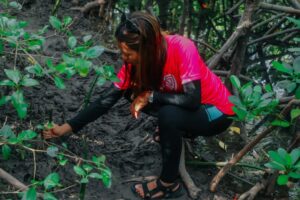
The mangrove planting activity served as the culminating component of the project. Volunteers planted mangrove seedlings within designated areas of the Ligao Fish Sanctuary as part of ongoing efforts to strengthen coastal protection and restore critical habitats.
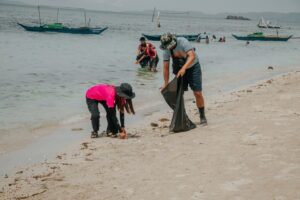
Project organizers identified several long-term objectives, including increasing mangrove cover, improving coastal ecosystem health, strengthening protection against erosion and storm surges, promoting environmental awareness, and encouraging continued volunteer participation in conservation initiatives.
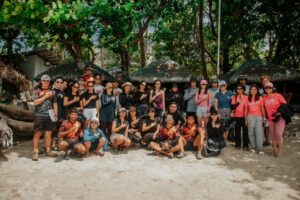
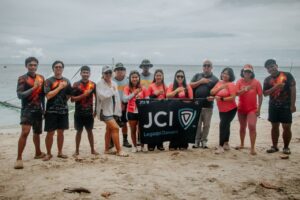
The project mobilized 35 volunteers representing JCI Legazpi Dawani, Project Mountain Adventures, local government offices, barangay officials, and community residents.
Beneficiaries of the initiative include coastal residents of Ligao City, fisherfolk and their families, students, local youth, and communities situated near vulnerable coastal areas. Organizers also noted that future generations stand to benefit from healthier coastal ecosystems and improved environmental protection measures.
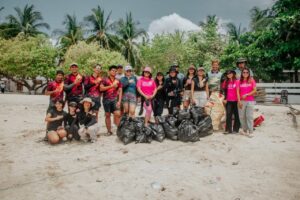
For many coastal communities in Albay, environmental conservation is closely linked to disaster preparedness. The province’s exposure to frequent typhoons and extreme weather events has highlighted the need for sustainable solutions that strengthen both ecosystems and communities.
Through ROOTED: Mangroves for Tomorrow, JCI Legazpi Dawani and its partners contributed to ongoing efforts to restore coastal environments while encouraging broader community participation in environmental stewardship. The project demonstrated how local partnerships among civic organizations, government agencies, and community volunteers can support long-term conservation goals and help build resilience in vulnerable coastal areas.
As mangrove restoration initiatives continue across the province, projects such as ROOTED underscore the growing recognition of nature-based solutions as an important component of environmental sustainability and disaster risk reduction in coastal communities.
SEO by SEO-Hacker. Optimized and maintained by Sigil
© 2026 Asian Pearl. JCI Manila Official Publication. All Rights Reserved.