EDITOR’S NOTE: This piece is written as a commentary and reflects the personal observations, reflections, and opinions of the writer. It is not intended to serve as an official statement of JCI Manila, its Board of Directors, or the individuals mentioned. The purpose of this article is to encourage thoughtful discussion on leadership, culture, direction, and the evolving identity of the chapter.
In a chapter shaped by division and defined by ambition, Pres. Edison “Eds” Ke attempts something few leaders dare: to build a JCI Manila that belongs to everyone.
Before the start of campaigning, I had a sit-down with Pres. Edison “Eds” Ke and asked him a question that, at the time, felt simple but quietly consequential: What kind of President do you want to be for JCI Manila? His answer came without hesitation. He said he wanted to be an all-embracing president. I remember not fully believing him.
At the time, the idea sounded ideal, even noble. It also sounded risky. Leadership, after all, is usually understood in clearer terms. A leader sets a direction, defines a path, and asks people to move toward it. A leader chooses. A leader focuses. To say that one wanted to be all-embracing seemed to suggest something else entirely. It sounded like trying to carry every expectation at once. It sounded like trying to be everything for everyone. And in a chapter like JCI Manila, that can be a dangerous promise.
Undoubtedly, his first run in the board, where he was elected as director while his brother Eric served as president, caused a stir in the chapter. It introduced a level of division, even polarization, in terms of vision. Many members felt disenfranchised. Some veteran members even said that JCI Manila had changed so much that they no longer recognized it, that it was no longer the chapter they had come to love. Perhaps those were just opinions, but they were real, and they were born out of two sides clashing during an election. In organizations like ours, perception eventually hardens into culture, and culture, once shaken, does not simply reset. It lingers. It leaves residue. It shapes the leader who comes next.
It is important to acknowledge that history, not to reopen old wounds, but because it helps form the narrative of what shaped Pres. Eds as a leader. He did not emerge from a neutral chapter. He emerged from a chapter that had already gone through tension, contrast, and competing visions of what JCI Manila should be. Those conditions matter. They explain why his idea of leadership took the form that it did.

At the same time, he observed something else. While the membership back in 2023 was active, engaged, and clearly enjoying itself under a membership-focused leadership, filled with camaraderie, social activities, fun, and energy, he could not ignore the presence of members who were quietly looking for more. Something deeper. Something more serious than just drinking, partying, and sports. Not just connection, but meaning. Not just events, but substance. Not just belonging, but growth. That realization became the turning point. That was when he decided he wanted to become an all-embracing president, someone who could cater to the interests of all kinds of members in the chapter.
I remember challenging him directly. I asked, Don’t you think that as a leader, you must be able to set a direction and bring the chapter toward where you want it to go? Offer one focus? Isn’t that how leadership is supposed to work? The context then was the highly intentional leadership of Pres. AP under the Built Different thrust, where clarity and direction defined the presidency. Where previous leadership defined direction, Pres. Eds was proposing something closer to range. To be all-embracing sounded like the opposite of what leadership was supposed to be. It sounded like diffusion. It sounded like a promise too large to keep. It sounded, frankly, like risk.
Eight months later (after that conversation), I can say this clearly. Pres. Eds is proving that question wrong. Eight months later, he is showing that it is possible. Lead Beyond is truly Pres. Eds. If I can candidly put it another way, he is unlimited. That is both his greatest strength and his greatest risk. To be unlimited is to carry everything, and risk being misunderstood by everyone. This is not a presidency built on narrow direction alone. It is a presidency built on range. The challenge now is whether that range can continue to hold its shape.
In a JCI one-year leadership design, time is always limited, and execution is everything. There is hardly any luxury for theoretical leadership. Ideas either become programs, or they die as themes. From what we have seen so far, Pres. Eds is doing his best to mobilize his board toward fulfilling what he said from the beginning, to become an all-embracing leader. Not one who is purely about parties and engagement, but one who can also go deep. One who can create venues where members are able to learn, grow, and develop, especially in business. That alone is already significant. It is one thing to declare a broad vision. It is another thing to operationalize it.
The Place to Be
Special mention must be given to VJohn Dizon, Director for Leadership Training and Business Development. This year, his directorate has emerged as one of the most engaged in JCI Manila, attracting many solid members of great caliber. In many ways, Training and Business Development has become the place to be.

Through its series of activities focused on business, networking, and skills development, we are beginning to see a version of JCI Manila with more meaning, more focus, and a stronger commitment to upskilling itself. These are not just events. They are deliberate responses to the very gap that Pres. Eds identified early on.
But as this directorate grows in strength, its members must also be reminded that JCI Manila is not built on training alone. Its talents must eventually translate into service, especially in Community Affairs, the heart of the chapter. The challenge now is to bring the same energy, excellence, and warm bodies into the communities we serve.
LOM, Creative Media, and the Question of Identity
Another special mention goes to Wayne Teeten, Director for LOM and Creative Media. Under his leadership, General Membership Meetings have evolved into something far more significant than routine chapter gatherings. They have become experiences.
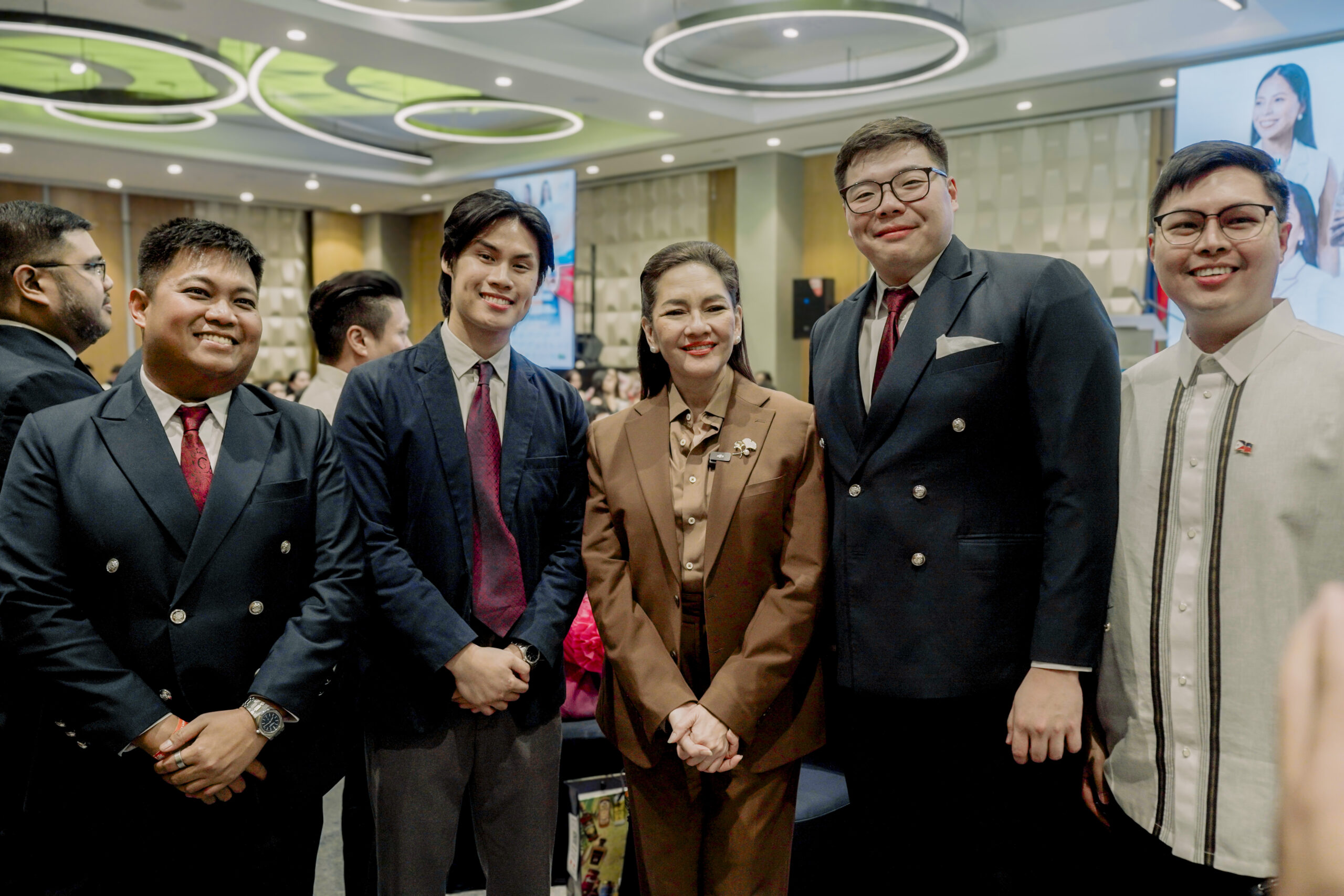
The speakers invited are not merely recognizable names, but individuals who are respected in their fields and can genuinely be considered nation-builders in their own right. Dir. Wayne has shown a remarkable ability to bring in high-caliber personalities, helping transform JCI Manila’s GMMs into events people genuinely look forward to attending.
Even the details surrounding these gatherings deserve praise. The food selection during GMMs has been noticeably excellent and satisfying, the venues are thoughtfully chosen, and the programs themselves feel carefully tailored rather than mechanically assembled. The events do not feel repetitive. They feel elevated. They feel considered.
Much of this consistency can also be attributed to EVP Matt Elvis Flores, himself a former LOM Director, whose understanding of member engagement continues to shape the chapter’s internal culture, as well as VP Cheeno Olayres, who oversees internal operations and helps ensure that execution consistently meets expectation.
At the same time, there remains an interesting question surrounding the “Creative Media” aspect of the directorate. While the LOM side has become highly visible and arguably one of the strongest-performing arms of the chapter this year, the creative media identity of the directorate is still something many members are waiting to fully see take shape.
This naturally raises curiosity. Is this directorate meant to become a continuation or evolution of Dir. Migi Gabrino’s highly visible Branding and Strategic Communications Directorate from the previous year? Or is it intended to carve out an entirely different identity of its own? As the year progresses, many will likely watch closely to see how the “Creative Media” side eventually defines itself and contributes to the broader voice and culture of JCI Manila.
The Directorates That Give JCI Manila Its Warmth
The tandem of Clifford Aw, Director for Membership, Benefits and Partnerships, and Erwin Bolivar, Director for Membership Development and Engagement, deserves recognition as well. They work so seamlessly that at times it becomes difficult to distinguish which project belongs to whom. That is not a flaw. It is a reflection of strong alignment.
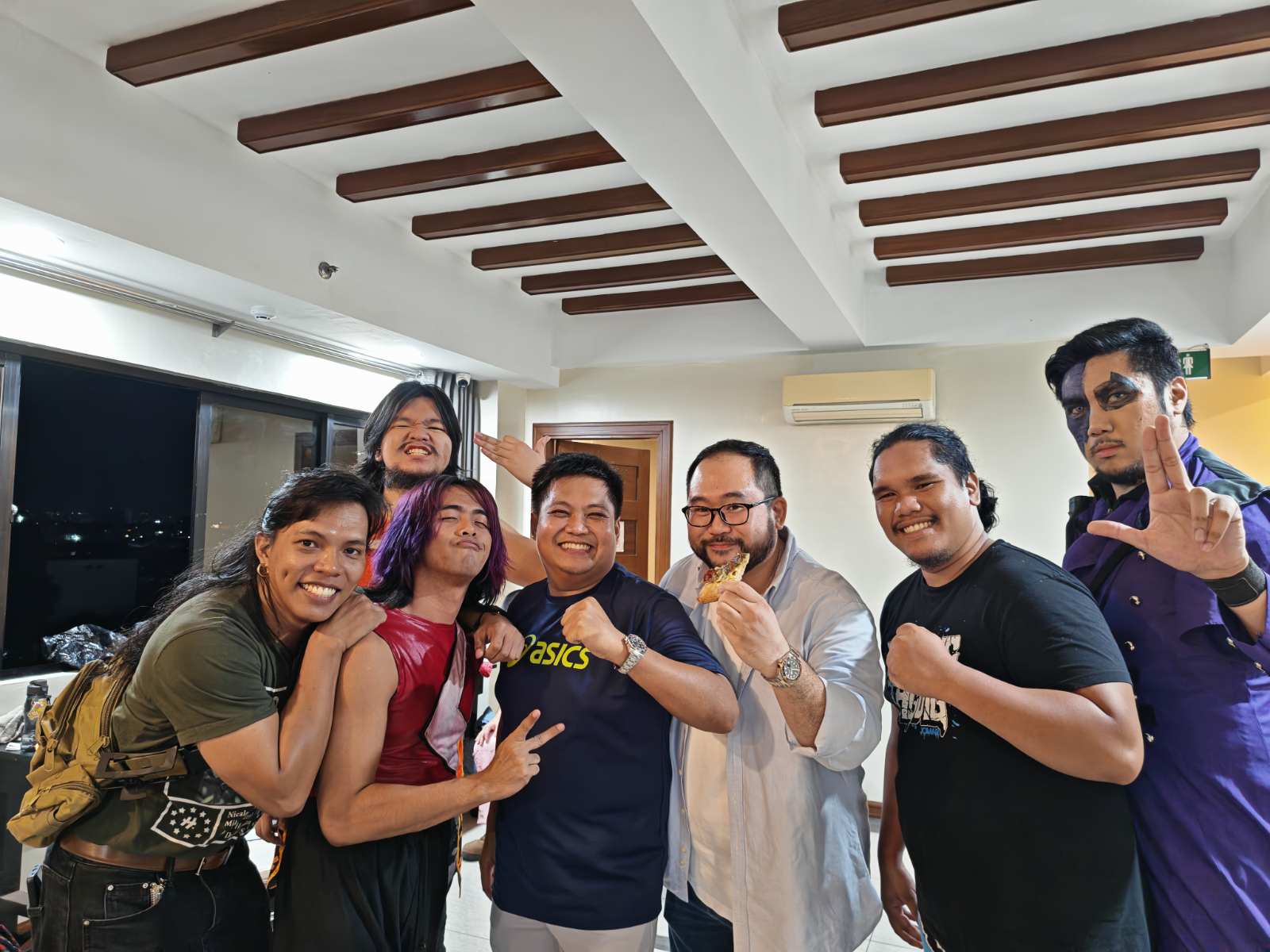
In fact, their collaboration has become so fluid that one could easily lose track of where one man’s role ends and the other begins. But that confusion is not a weakness. It is proof that the right people were placed in the right roles. Their ability to work in sync has resulted in experiences, benefits, and engagement initiatives that genuinely make membership feel worthwhile.
What makes their directorates even more remarkable is that despite organizing some of the chapter’s most fun, engaging, and socially active initiatives, they have largely avoided being reduced to the reputation of mere “funmasters” or party organizers. Their work carries depth beyond entertainment. Beneath the socials, gatherings, and engagement efforts is a clear understanding of what Pres. Eds has consistently pushed for: a more holistic JCI Manila experience.

Their functions also complement the broader machinery of the organization. Many of their projects naturally integrate with other directorates, whether in externals, community affairs, or LOM. Rather than existing as isolated membership units, they often serve as connective tissue that strengthens the culture surrounding other projects.
In many ways, these two directorates may very well be the clearest embodiment of the “Pres. Eds touch” across the organization. They bring warmth without sacrificing purpose, engagement without losing substance, and fellowship without forgetting that JCI Manila is ultimately meant to develop people, not just entertain them.
The Men Carrying JCI Manila Beyond Its Walls
On the external front, Alf Yaptinchay, Director for World Congress Engagement and International Affairs, and James Sia, Director for National Relations and Fundraising Initiatives, deserve strong recognition for the work they have quietly but consistently delivered this year.
Public relations and external affairs are not easy responsibilities. Much of the work happens outside the spotlight. It requires constant relationship-building, sustained presence, diplomacy, coordination, and the ability to represent not just oneself, but the entire image of the chapter. Yet despite the demands of the role, JCI Manila’s external efforts this year have noticeably strengthened the chapter’s visibility and reputation, especially in a year as important as this one, with World Congress on the horizon and the support of the broader JCI network becoming increasingly vital.
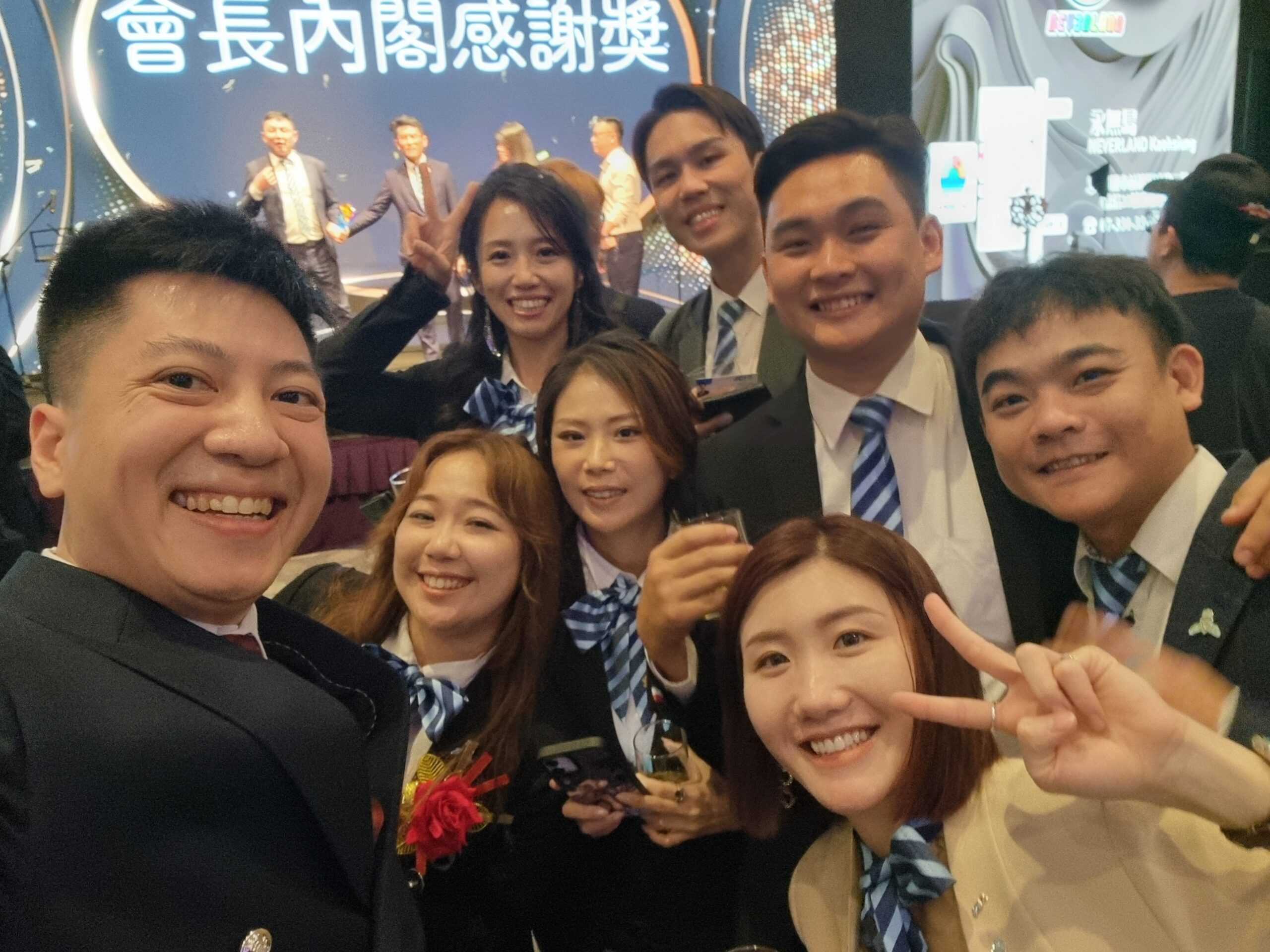
In my own JCI journey, which began during the pandemic, this has been the most active year in terms of externals. That is not a small observation. There is a palpable sense that JCI Manila is moving beyond its walls more aggressively and more intentionally than before.
What makes Dir. Alf and Dir. James even more admirable is their simplicity as people. When approached personally, they come across as humble, approachable, and low-key. There is very little pretension in the way they carry themselves. But when it comes to execution, very little criticism can be said. They deliver with consistency, professionalism, and true class.
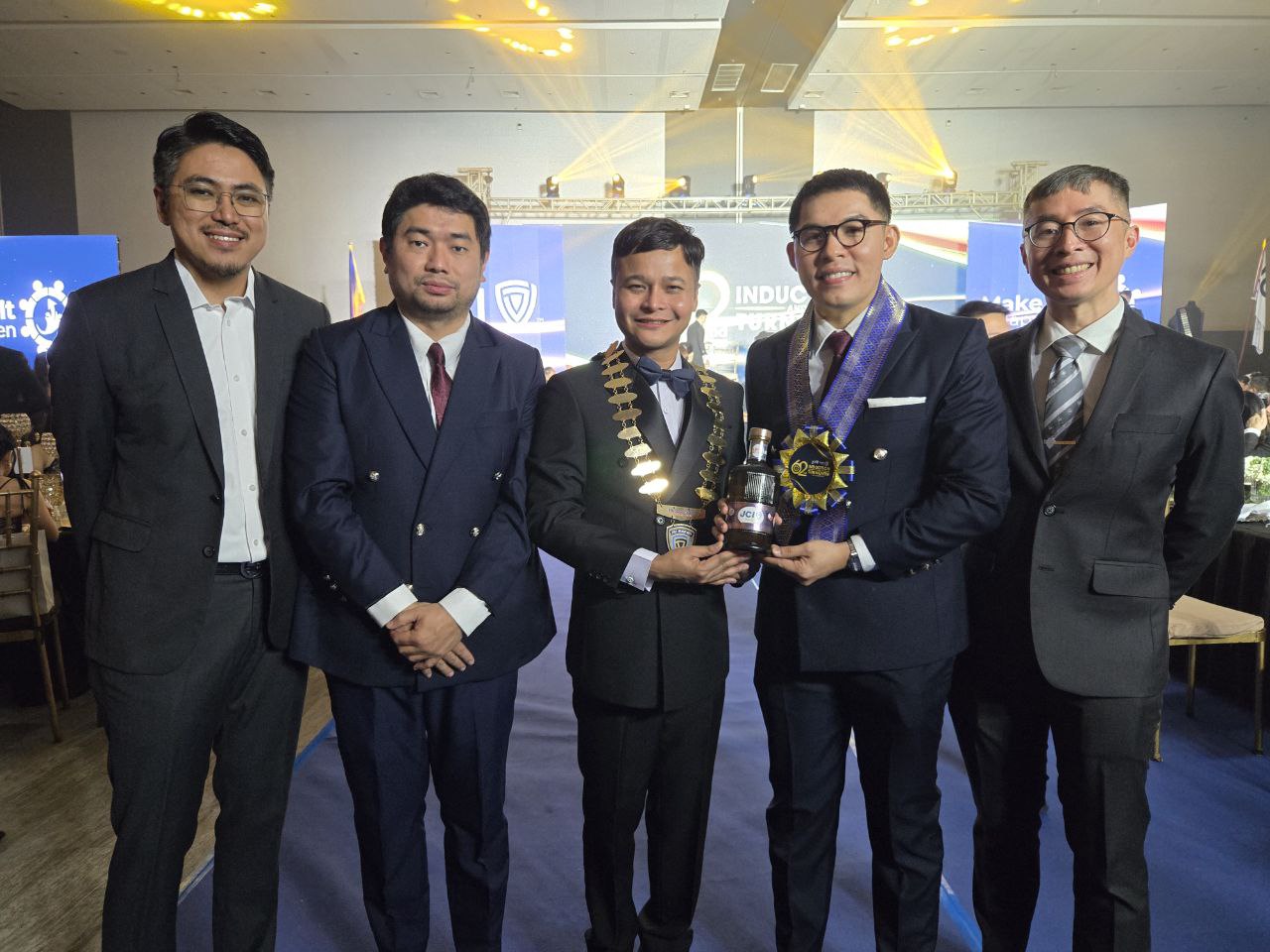
This level of activity is also made possible through the leadership of Jet Tatel, Vice President for External Affairs, whose guidance has helped sustain the momentum of the chapter’s national and international engagements. Together with Pres. Eds, these men have tirelessly visited chapters locally and abroad, strengthening relationships and reinforcing JCI Manila’s relevance within the wider organization.
It is also worth acknowledging the personal sacrifices attached to these roles. External work is among the most demanding responsibilities in any chapter year. Airfare, accommodations, meals, logistics, and the many hidden costs of travel accumulate quickly. These commitments require not only time and energy, but often significant personal resources as well.
And yet they continue to show up. Because in organizations like JCI, presence matters. Presence builds relationships. Relationships build relevance. And relevance sustains influence.
What Comes After Years of Outreach?
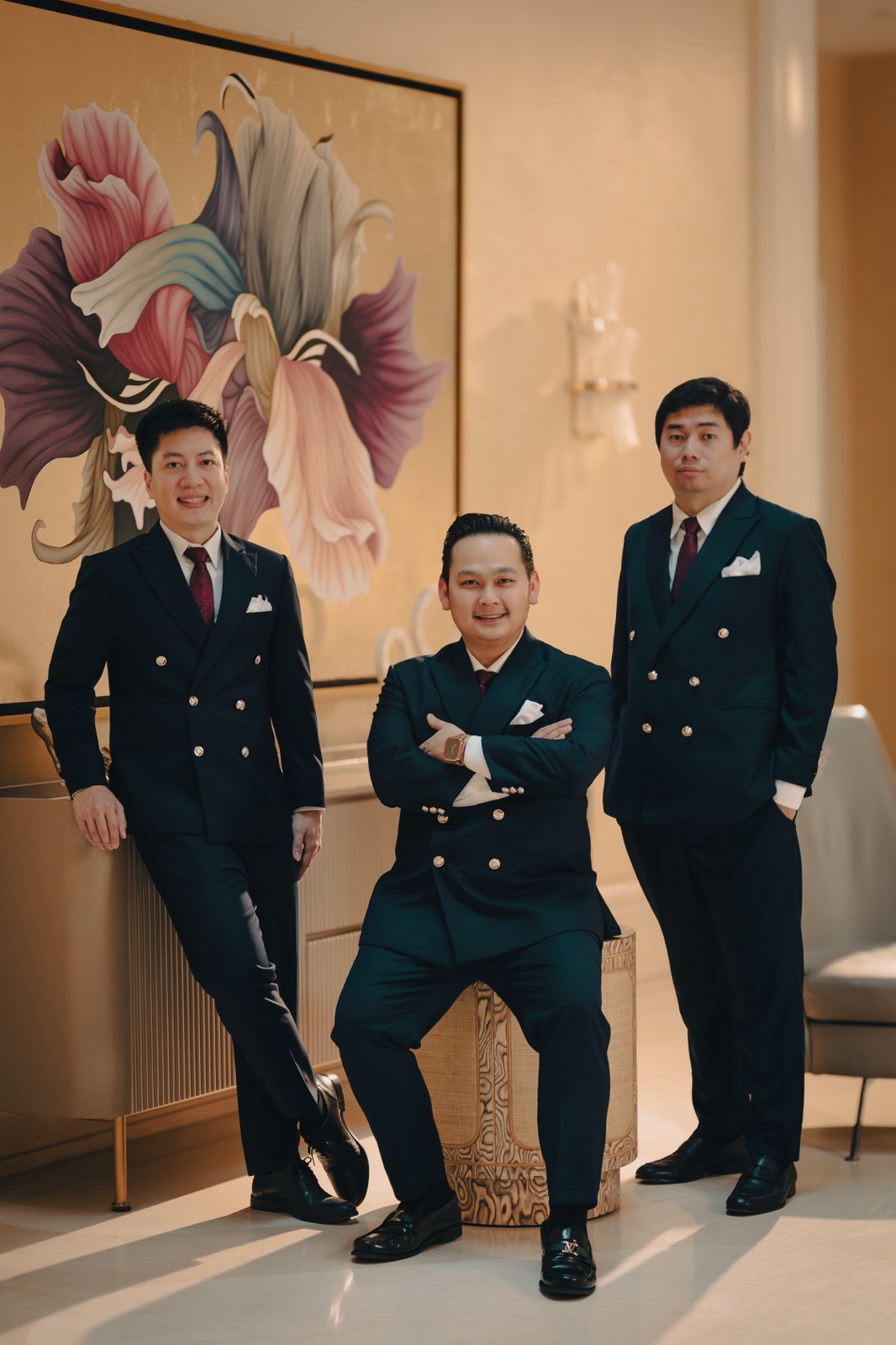
David Ramos, Director for Community Development, has been active in implementing projects and activating Baby Jaycees, exactly as the role demands. There is visible effort, movement, and presence. The machinery is running. But to be completely honest, I still find myself waiting for a true breakthrough moment. Because activity, by itself, is not necessarily transformation.
JCI Manila has never lacked people willing to work hard. The chapter has always been capable of mobilizing projects, conducting outreach, and responding when communities are in need. The harder question now is whether we are ready to demand something deeper from ourselves beyond repetition and routine.
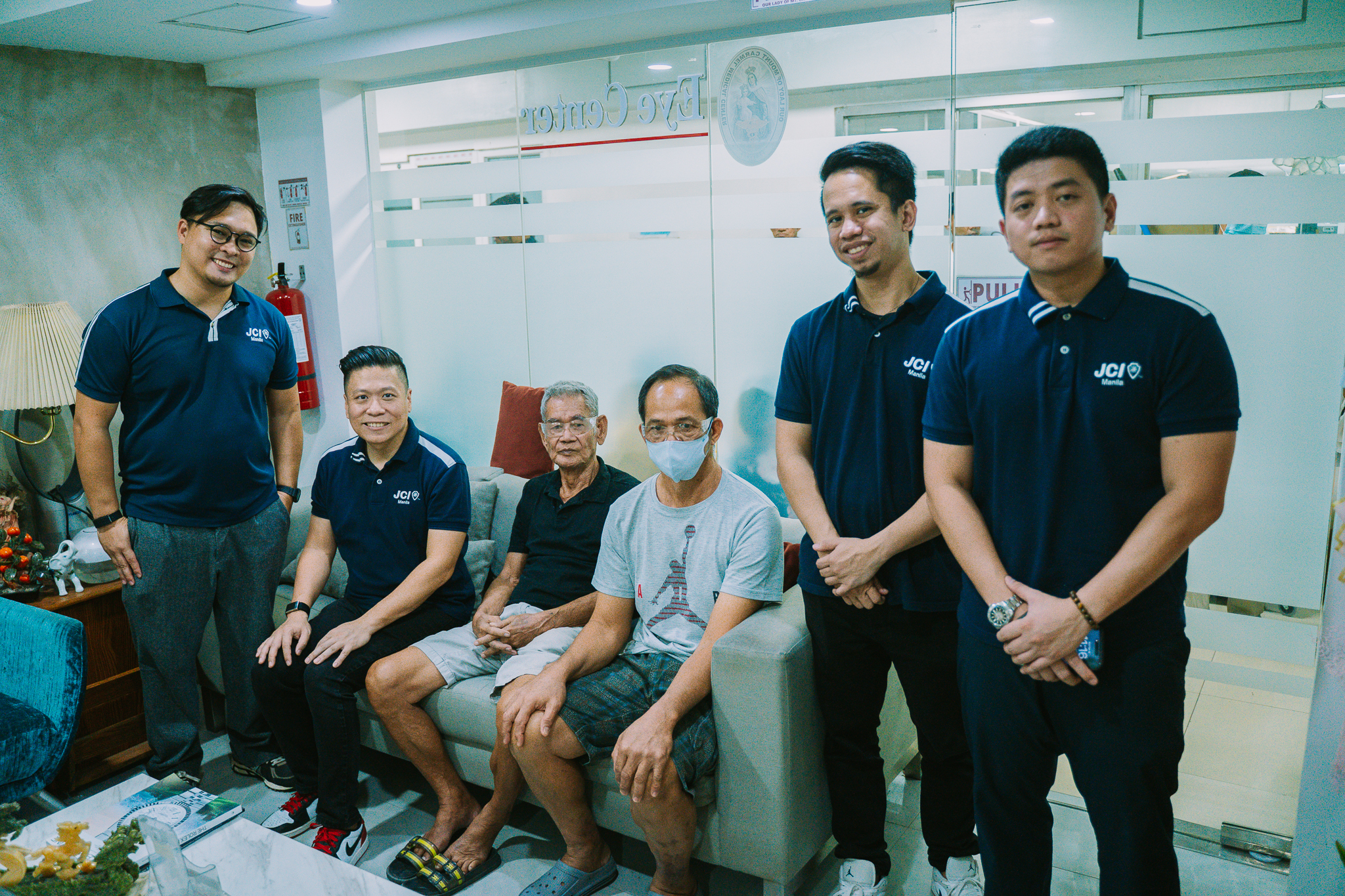
Meanwhile, Rocky Cebrero, Director for Special Projects and Government Affairs, has largely focused on courtesy visits and relationship-building efforts, as mentioned in earlier discussions. This is understandable. Meaningful community projects are rarely built overnight. Relationships, especially with institutions and government partners, often need to be established first before they can evolve into something sustainable and impactful. That groundwork matters, and it should not be dismissed lightly.
But at the same time, JCI Manila is no longer a young chapter trying to prove it can organize community projects. It has already done so much over the years. The challenge now is no longer activity. The challenge is evolution. At some point, activity stops being enough. At some point, a chapter like JCI Manila must decide whether it wants to be remembered primarily for effort, or for measurable and lasting impact.
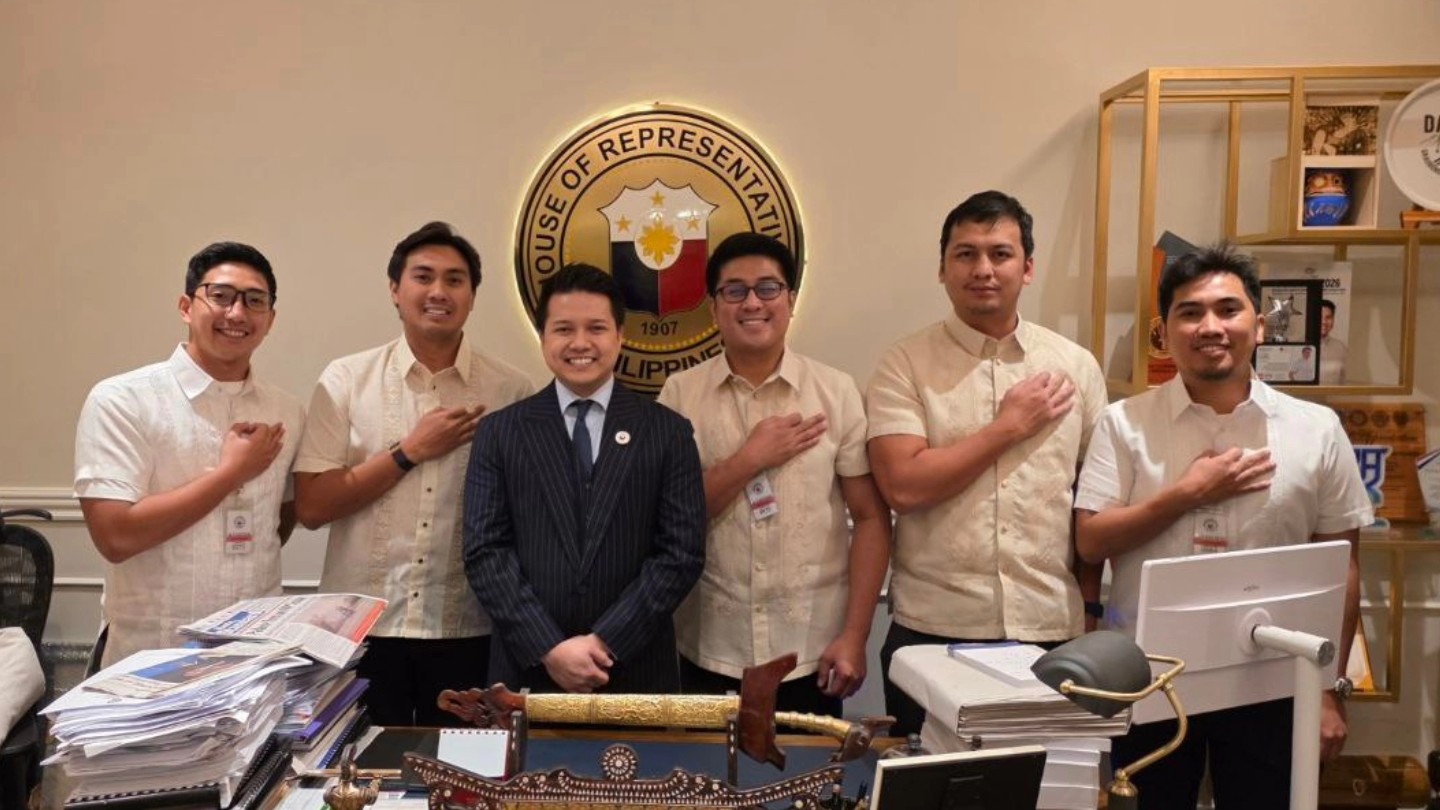
When do we begin properly evaluating our community initiatives and creating real standards for sustainability? When do we move beyond projects that risk becoming temporary dole-outs and instead focus on programs that genuinely transform communities long after the photo opportunities end? When do years of institutional experience finally become a framework for smarter, more sustainable, and more accountable community development?
These are not dismissals of the work being done. Far from it. They are the more difficult questions that mature organizations eventually need to ask themselves if they truly want to grow. And perhaps this is the larger challenge that the chapter must now work through together with Francis Deo, Vice President for Community Affairs: not simply how to do more projects, but how to create better ones.
Joshua Aragon and the Challenge of Vision
In the Office of the Executive Treasurer, ET Joshua Aragon has ensured that policies remain in place and standards continue to be upheld. Much of this stability is built on the strong financial system left behind by his predecessor, ET Carlo Chen Delantar, a structure that has already proven dependable and sustainable for the chapter over time.
ET Josh inherited the order. He inherited discipline. He inherited a financial system that works. But finance is a delicate and powerful function, and this is not a year that merely calls for maintenance. With major developments ahead, including the World Congress in Clark, the possibility of establishing a foundation, and the long-term discussions surrounding a new clubhouse, this is a period that demands not only stability, but also vision.
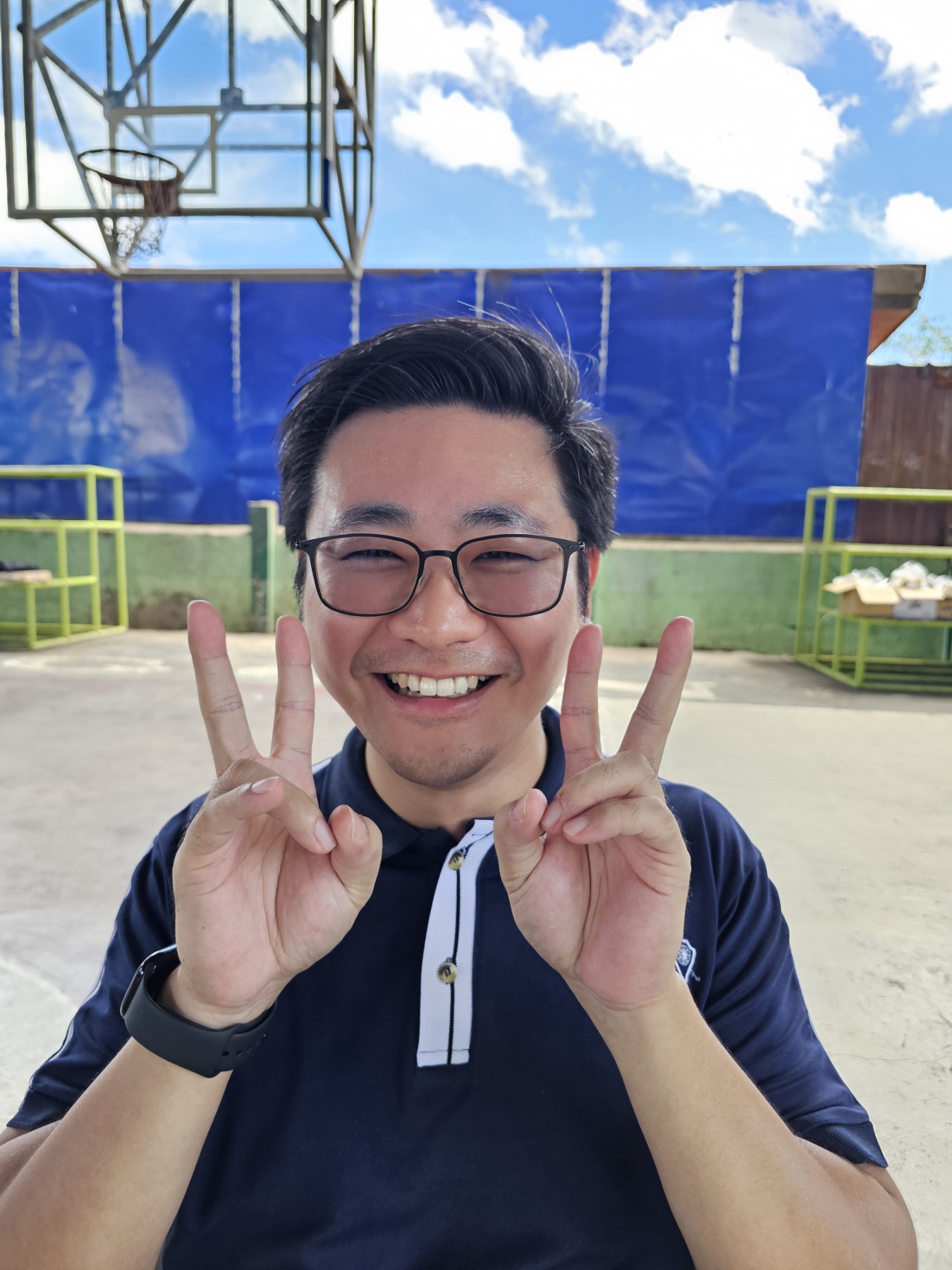
In fairness to ET Josh, he comes from a strong startup and innovation-oriented background. His network and connections are vast, and he has already demonstrated in previous years, particularly during his time as Director for Special Projects, that he is capable of turning ideas into actual movement. There is clear potential in him to help push JCI Manila toward becoming a more sustainability-focused organization, especially in the way it approaches project implementation, institutional systems, and long-term community building.
That, however, is an incredibly difficult task. Transforming an organization’s culture toward sustainability and systems-thinking does not happen overnight. It may take years. But every long-term shift has to begin somewhere, and perhaps the foundations for that transition can already start now.
This is why the chapter needs to hear more from him. The challenge now is whether he can evolve further into a financial leader capable of helping shape where the organization is headed, not just safeguarding where it currently stands. Stability is important. But direction is what ultimately gives stability meaning.
In a Board of Strong Personalities, Bobbit Castro Holds the Center
Secretary-General Bobbit Castro remains the steady presence within the board. The same gentle and diplomatic leader many came to appreciate during his time as Community Development Director now finds himself positioned at the center of a leadership team that can best be described as a spectrum of personalities. And somehow, he blends into all of them naturally.
In many ways, SG Bobbit embodies the idea of “When in Rome, do as the Romans do.” He has the rare ability to adjust to different people, energies, and situations without ever coming across as artificial or opportunistic. He adapts well, but never in the manner of a chameleon trying to please everyone. What makes it work is that the spirit behind it feels genuine. There is sincerity in the way he relates to people, regardless of who stands in front of him.

That quality matters more than people realize, especially in a board composed of strong personalities, differing approaches, and contrasting temperaments. To stand in the middle of all of that and remain trusted, approachable, and stable is no small responsibility.
I may not have the loudest observations about SG Bobbit compared to others on the board, but perhaps that is precisely the point. His value is often expressed less through spectacle and more through steadiness. He is one of those leaders whose presence quietly keeps systems, relationships, and conversations from falling apart.
And beyond diplomacy is a man whose track record already speaks for itself. His years in Community Development proved that he knows how to execute and mobilize when necessary. He is not simply agreeable. He is capable.
SG Bobbit is, in many ways, a giant both inside and outside JCI Manila, though he carries that stature with very little need to announce it. The middle holds because people like him know how to hold it.
Matt Flores and the Cost of Relentlessness
EVP Matt Elvis Flores is undeniably one of the most capable individuals in the leadership team. Even before the elections formally began, he already carried the look and weight of someone exhausted by responsibility. In many ways, he has been among the most visibly consumed members of this Board from day one.
There is no doubt about his industriousness, his ideas, and his ability to execute. He is the kind of leader who will willingly burn himself out just to accomplish what he sets out to do, and many people admire him for that intensity. It is precisely that relentless work ethic that built his reputation over the years. It made him popular. It consistently placed him just behind Pres. Eds in previous nominations and directorial races.
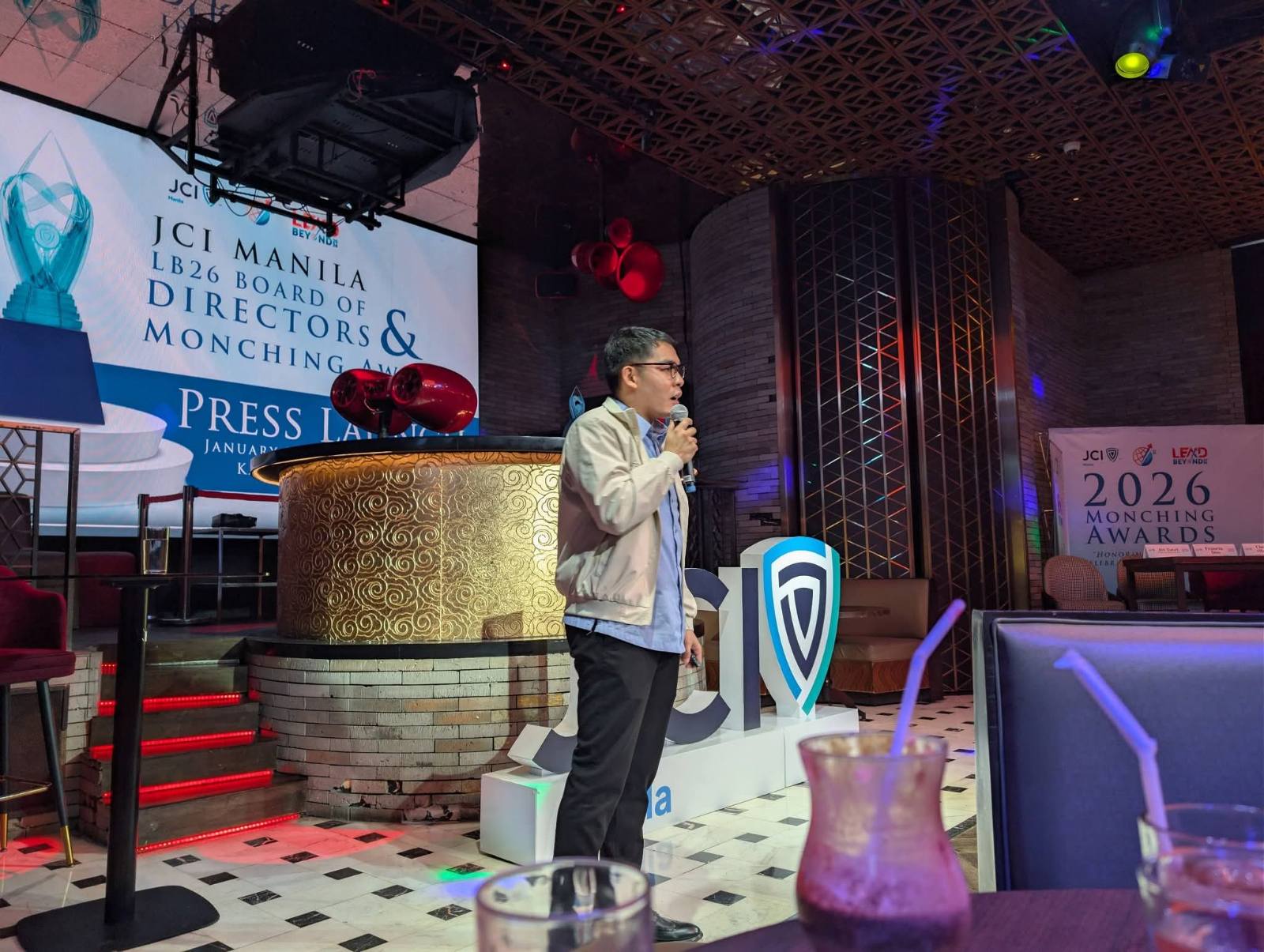
But leadership is never judged on output alone. While many of his initiatives have undeniably succeeded, there have also been promises made to certain individuals that were either not fully realized or quietly faded into the background. Whether these were products of circumstance, overcommitment, or shifting priorities may no longer even be the central issue. What matters is that people remember what was not fulfilled. And in leadership, memory shapes trust.
One thing remains certain: trust is not built purely through execution.
EVP Matt’s self-awareness gives him a sharp edge. It allows him to anticipate perceptions, manage situations, and navigate pressure with discipline. But at times, that same self-consciousness can also make him feel overly managed or restrained in the way he presents himself. There are leaders whose self-awareness sharpens authenticity. There are others whose self-awareness occasionally makes authenticity feel filtered. Matt can sometimes fall into the latter category.
And perhaps that is the next stage of growth required from him. Because if he is to eventually become President, the challenge will no longer simply be about proving he can execute. Most people already believe he can. The harder challenge will be strengthening his ability to connect more naturally, to inspire beyond performance, and to build a form of charisma rooted not just in competence, but in sincerity and consistency.
Execution creates outcomes. But only consistency creates lasting trust. People do not follow output alone. They follow belief. And belief survives only when people feel authenticity behind the person asking them to believe.
The Monster of Detail, Built on Heart
Stepping back, one thing becomes evident. So far, the Lead Beyond board has been remarkable. This may very well become one of the most sulit years for membership in recent memory.
There is a visible and deliberate effort from the board to invest heavily in delivering value, not merely meeting expectations, but exceeding them. One way to measure this is not through profitability, but through experience. Ask a simple question: Does the event feel like it spent more than it earned? So far, almost every major activity under this administration carries that feeling. No event feels cheap. No event feels rushed. No experience feels scaled down to save face or save cost.
Members are not simply being engaged. They are being indulged.
And perhaps that may become one of the defining characteristics of Pres. Eds’ leadership: under his administration, members are often given more than what they expected from the organization.
It is also important to talk about Pres. Eds’ precision. As much as I hesitate to use the term, he is a monster when it comes to attention to detail. I have personally heard two members of his Board of Directors, independently, describe his level of precision as something “nakakatakot.” I agree. I have seen it firsthand.
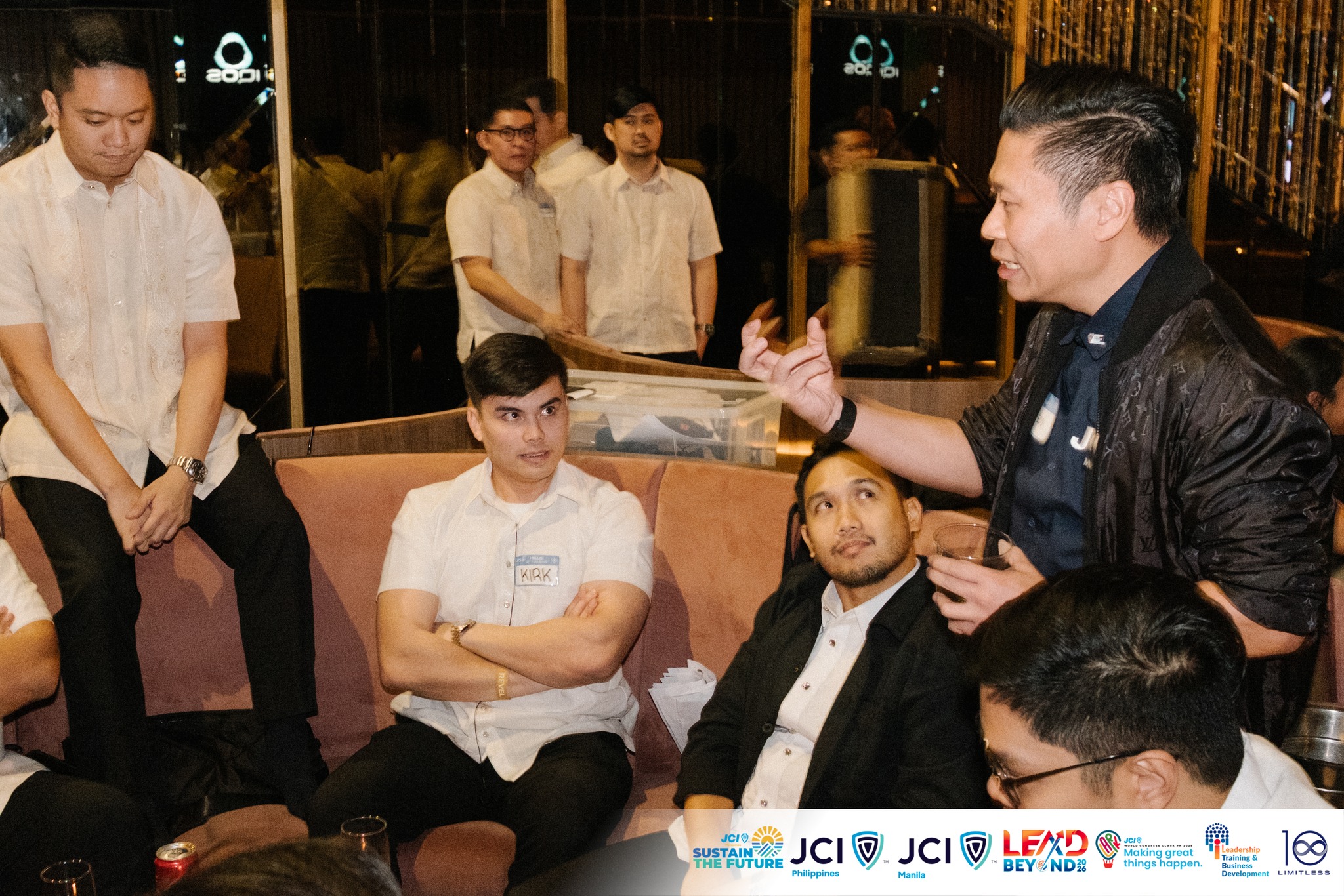
There was a moment during the planning of their induction where he began describing how he wanted the production to unfold. As he spoke, it no longer felt like I was listening to a chapter president. It felt like I was listening to an experienced production and events director visualizing an entire show in real time: how it should look, how it should feel, how each transition should happen, how the audience should react, and how every moment could be executed.
It was not casual input. It was a fully formed vision. And I am certain this mindset extends far beyond events. It is part of how he approaches leadership itself.
But beyond all of this, what ultimately defines Pres. Eds is sincerity. He understands something many leaders fail to realize: it is not enough to be sincere. People must feel it. And somehow, he consistently delivers that feeling. When he speaks to you, he holds your hands. When he is comfortable, he embraces you. He looks directly into your eyes and lingers there, making sure you understand what he is trying to say.

He may not always speak with polished precision during speeches, and I occasionally notice some of the more “coñotic” Baby Jaycees in the audience quietly reacting whenever his phrasing becomes imperfect or his thoughts arrive more candidly. But that reaction often misses the larger point entirely. Because once he begins speaking, the room changes. People listen. Conversations quiet down. There is a presence he carries that commands attention beyond technical polish. And once people begin paying attention to the heart behind his words, the imperfections start becoming almost irrelevant.
If one listens only for polish, one misses the essence of why people respond to him. Pres. Eds does not always speak with rehearsed elegance or carefully measured phrasing. He speaks with conviction, sincerity, and emotional clarity, and people instinctively respond to that far more deeply than they do to perfected delivery.
Let us not forget that during pre-nomination season, when Pres. AP introduced him, the description was strikingly simple. He did not begin with achievements, business titles, or accomplishments. He simply said: “Puso. This man has a very big heart.”
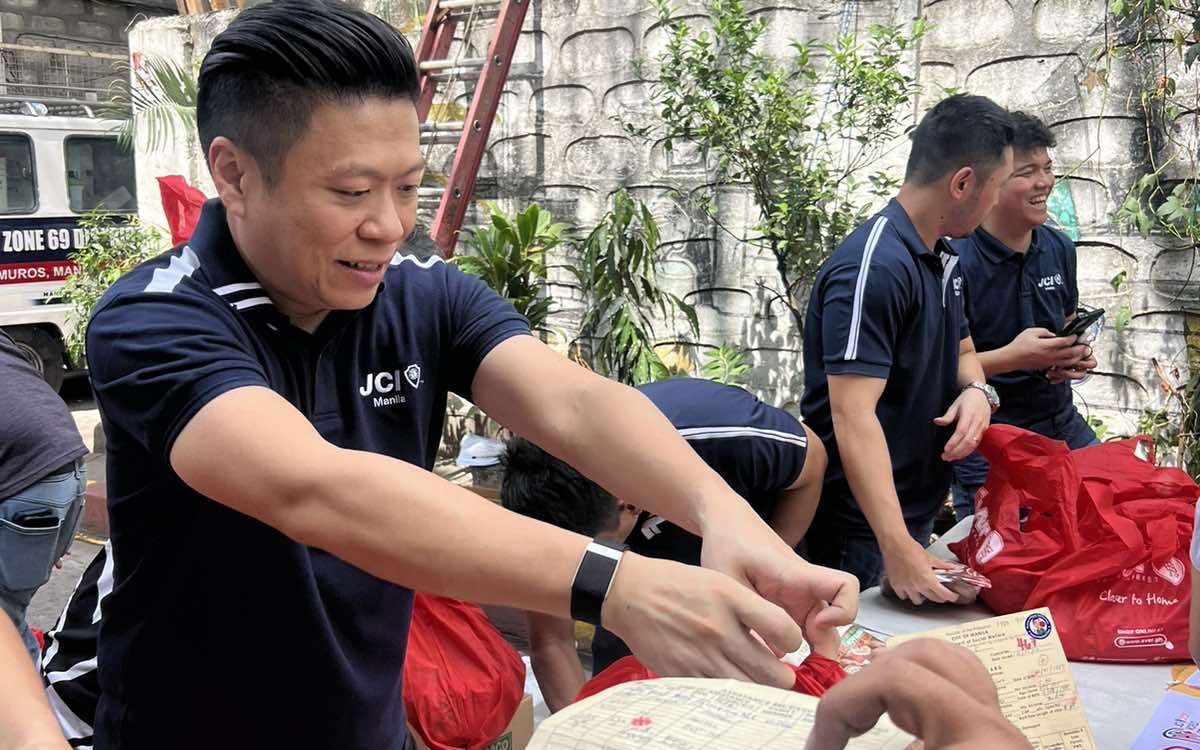
To close, the Lead Beyond board deserves appreciation and support. They are sacrificing far more than what people visibly see. They are investing heavily, working intensely, and stretching themselves to create a version of JCI Manila that feels substantial, intentional, and alive. And above all, Pres. Eds leads with sincerity. Not simply in what he says, but in what people genuinely feel from him. Perhaps that is what ultimately makes this presidency distinct.
To be “all-embracing” is to willingly carry the weight of contradiction, expectation, pressure, and the impossible demand of leading a chapter that refuses to be defined by only one identity. Pres. Eds chose that path.
And perhaps it is no coincidence that his chosen theme song was “Hall of Fame.” Not because it speaks only about glory, but because it speaks about belief, endurance, and becoming larger than one’s limitations. One line from the song feels especially fitting for the kind of leadership he is trying to embody: “You can be the greatest, you can be the best.”
Not necessarily the most polished. Not necessarily the most conventional. But perhaps the most willing to embrace the full weight of the role with sincerity. And if he sustains this kind of leadership, this presidency may not simply be remembered as a GREAT one. It may be remembered as the presidency that proved JCI Manila never even truly had to choose what kind of chapter it wanted to become.
Because perhaps the real meaning of Lead Beyond was never about going beyond limits alone. Perhaps it was about refusing to think in limits at all. And maybe that is why, in the end, people continue returning to the same description Pres. AP once gave him during pre-nomination night:
“Puso. Malaki ang puso ni Eds.”
Because a chapter can only Lead Beyond and become truly unlimited when it is led by someone willing to embrace everyone with a heart large enough to carry them all.
SEO by SEO-Hacker. Optimized and maintained by Sigil
© 2026 Asian Pearl. JCI Manila Official Publication. All Rights Reserved.