Department of Justice (DOJ) Undersecretary Margarita Gutierrez called for a redefinition of governance—one that measures success not by policy or structure, but by whether justice is truly accessible to every Filipino.

Speaking at the BUILD Philippines General Membership Meeting of JCI Manila on April 21 at Marco Polo Ortigas Manila, Gutierrez anchored her message on a central question:
“When you hear the words good governance, what comes to mind?”
Her answer was direct and uncompromising.
Governance Measured by Access

“At its core, good governance means that no one is too far, too poor, or too powerless to be heard,” Gutierrez said, reframing governance as a matter of inclusion rather than policy design.
She challenged the audience to move beyond abstract definitions and instead confront a more urgent question:
Can people access justice when they need it?
For Gutierrez, the answer to that question defines the legitimacy of institutions.
Stories Behind the System
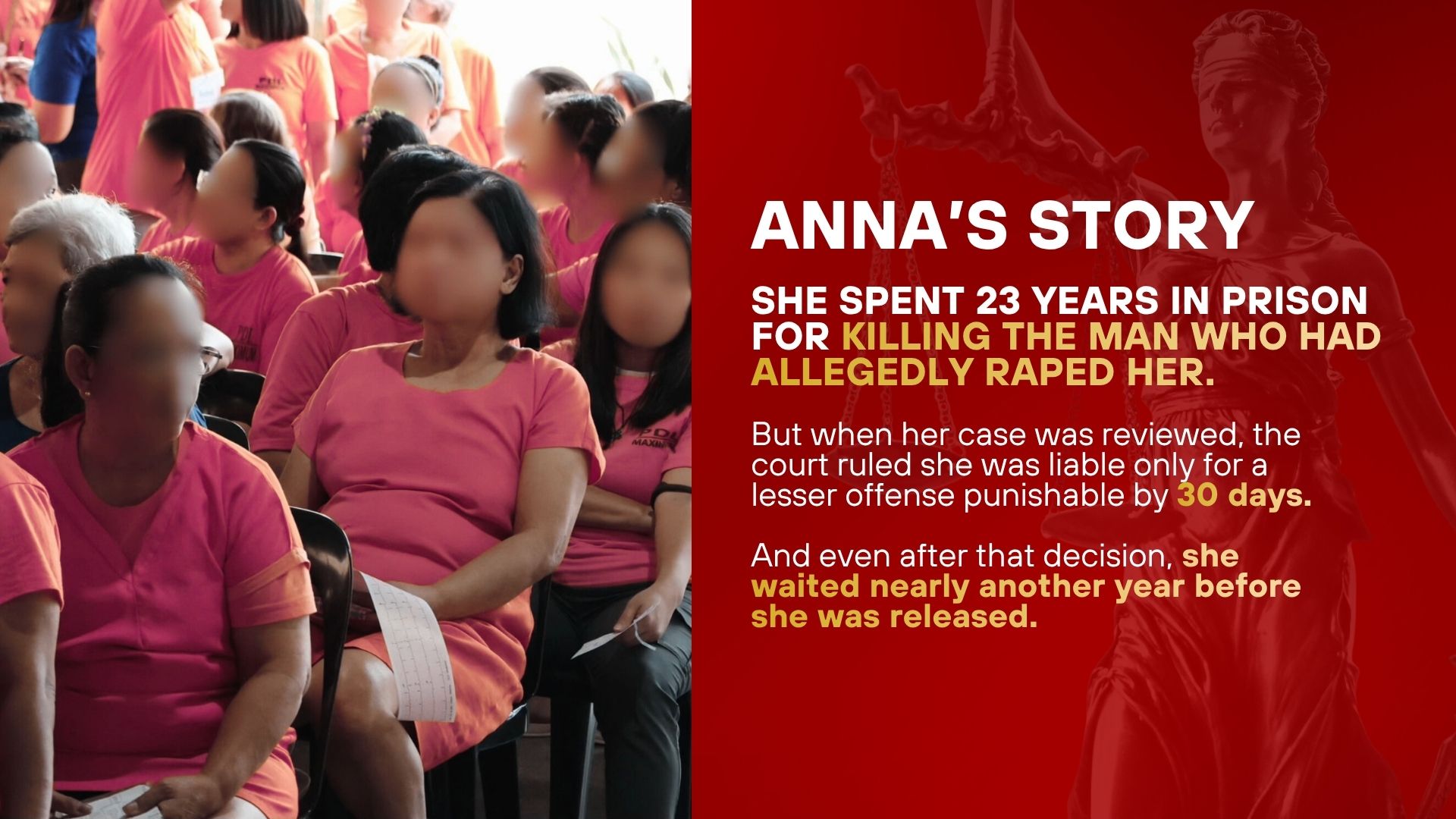
To ground her argument, Gutierrez presented real cases that exposed the human cost of delayed or inaccessible justice.
She recounted the story of a woman who spent 23 years in prison for killing a man who had allegedly raped her—only for the courts to later determine that she was liable for a lesser offense punishable by just 30 days. Even then, she remained detained for nearly another year before release.
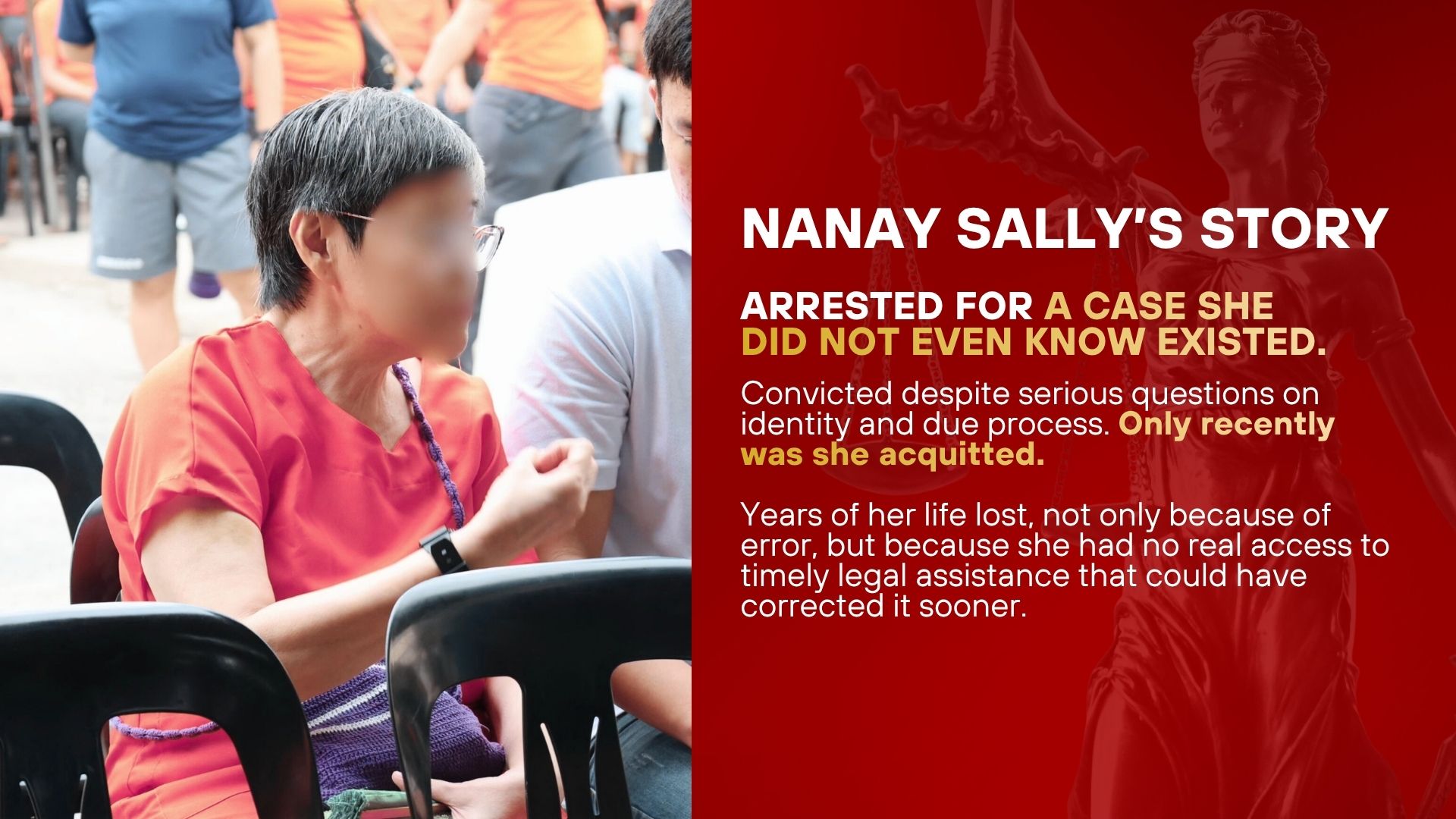
In another case, a woman was arrested for a crime she did not even know existed, later acquitted after years lost due to questions surrounding identity and due process.
These cases, she emphasized, reflect not failures of law, but failures of access.
A Widening Justice Gap
Gutierrez also pointed to broader structural realities, noting that a significant portion of Filipinos experience sexual violence in their lifetime, underscoring the scale of unmet legal needs in the country.
The challenge, she said, is not only the existence of laws, but the ability of citizens—especially the most vulnerable—to navigate and benefit from them.
Bringing Justice to the People

In response, the DOJ has shifted its approach from passive service delivery to proactive outreach.
Through the Department of Justice Action Center, legal assistance, case referrals, and coordination services are provided free of charge. But Gutierrez emphasized a critical realization:
“Not everyone can come to us. So we go to them.”

This approach has taken form through initiatives such as the Katarungan Caravan, which delivers legal services directly to barangays, schools, and communities. Since 2023, the program has assisted tens of thousands of Filipinos nationwide.
Complementing this is the Justice in Action Lecture Series, which focuses on legal education in schools and universities—premised on the idea that awareness itself is a form of protection.
From Institutions to Experience
Gutierrez stressed that justice must not remain confined within institutions.
“It is the certainty that when someone reaches out, the system is within reach,” she said, describing a system where help is not delayed by distance, cost, or fear.
In this framing, governance is no longer something people hear about—it is something they experience.
A Call to Young Leaders
Turning to the audience, Gutierrez issued a challenge to JCI Manila’s members:
“You are not just future decision-makers. You are future builders of systems.”
She emphasized that the next generation will determine whether institutions remain distant or become accessible—whether justice stays within walls or reaches the people.
Her message was clear:
“Do not wait for a position to lead. Lead now.”
Leadership That Reaches

Gutierrez concluded by urging leaders to make themselves—and their institutions—reachable.
“Make yourselves available. Make your institutions reachable. And make your leadership felt where it matters most,” she said.

In the end, her definition of governance returned to its simplest form:
“Good governance begins the moment you decide that justice must be accessible to all.”
Gutierrez’s message provided a critical counterpoint to earlier discussions on infrastructure, emphasizing that while physical systems must be built quickly, legal systems must be built to reach everyone.
SEO by SEO-Hacker. Optimized and maintained by Sigil
© 2026 Asian Pearl. JCI Manila Official Publication. All Rights Reserved.